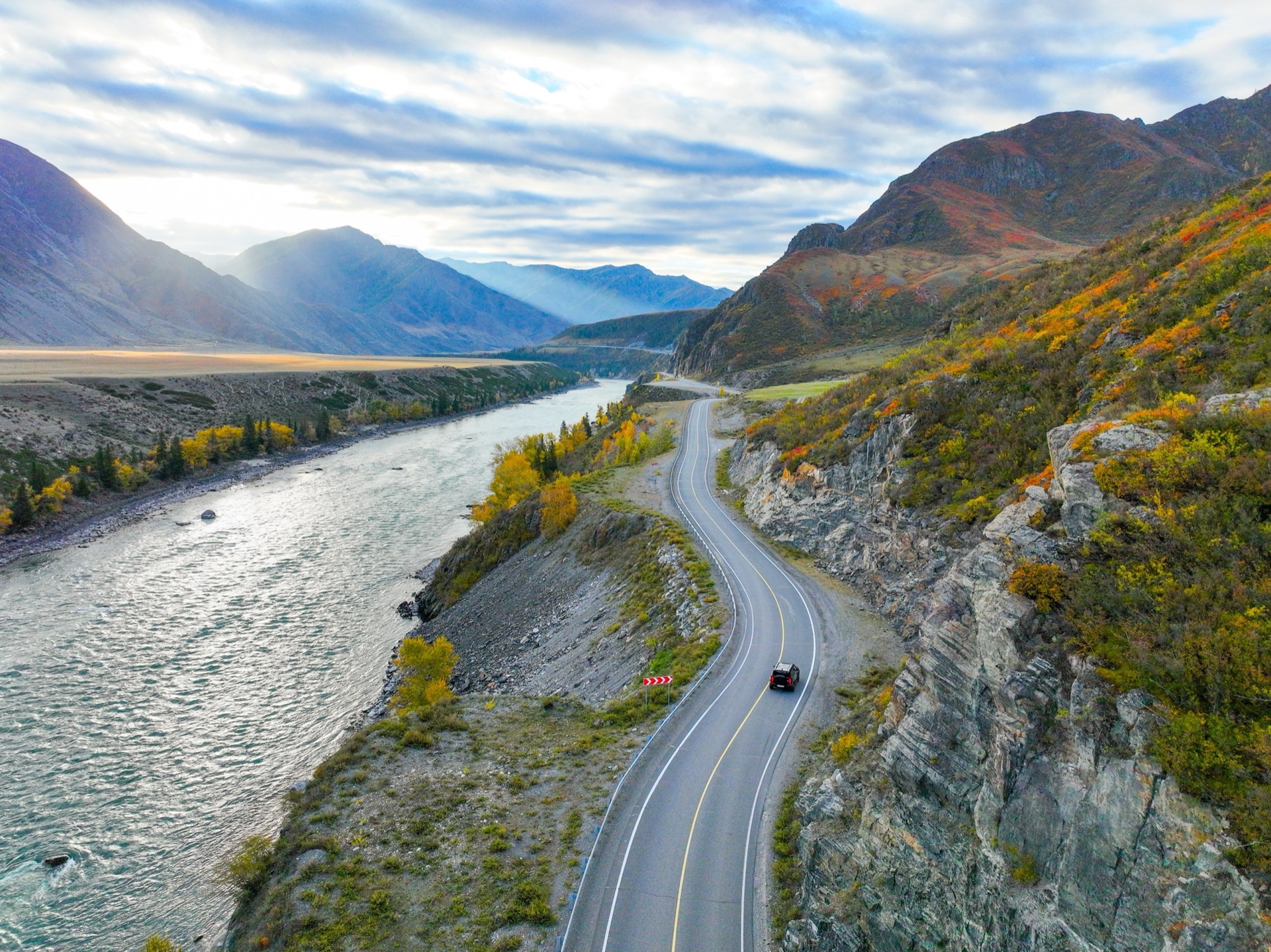
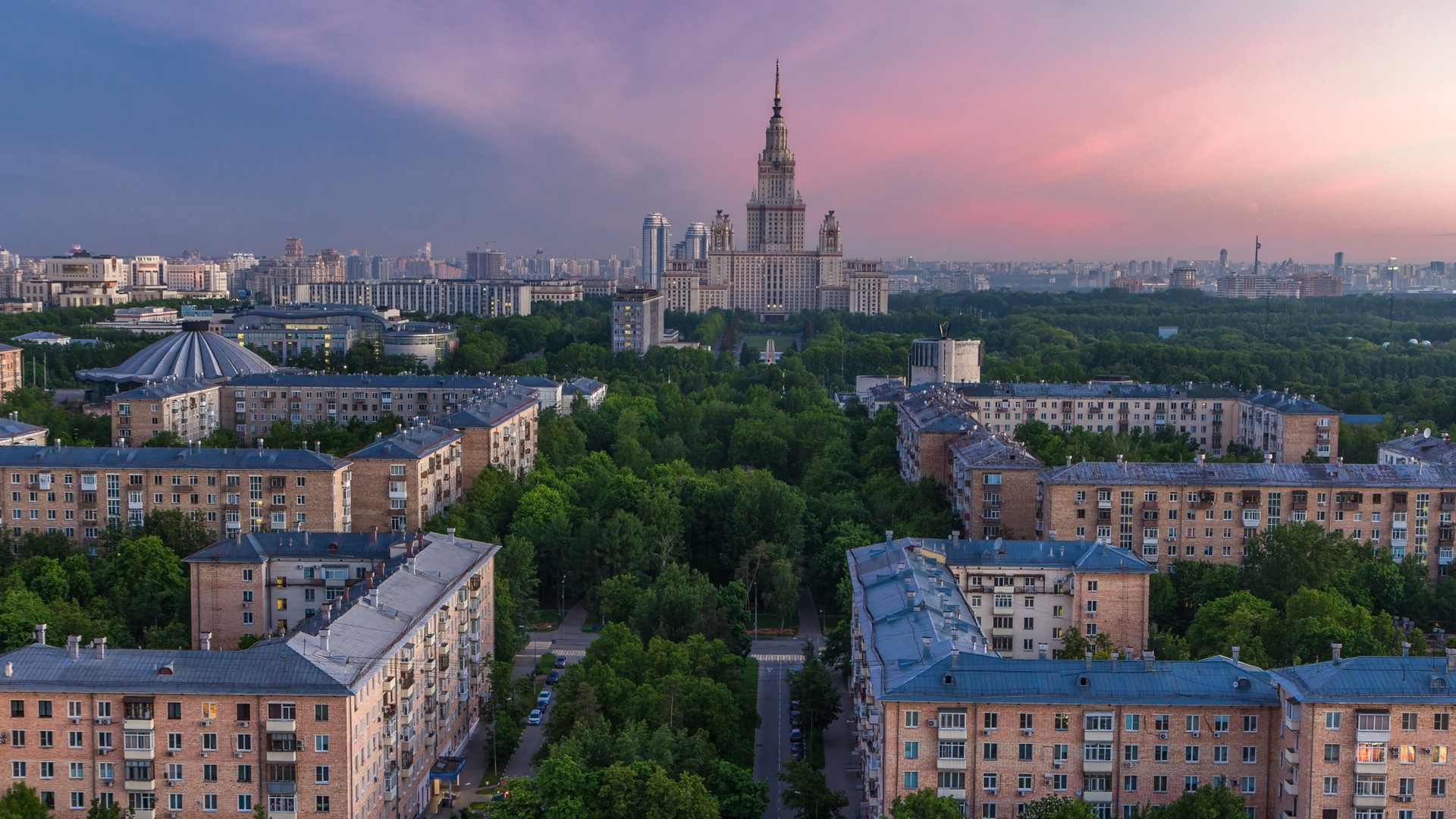
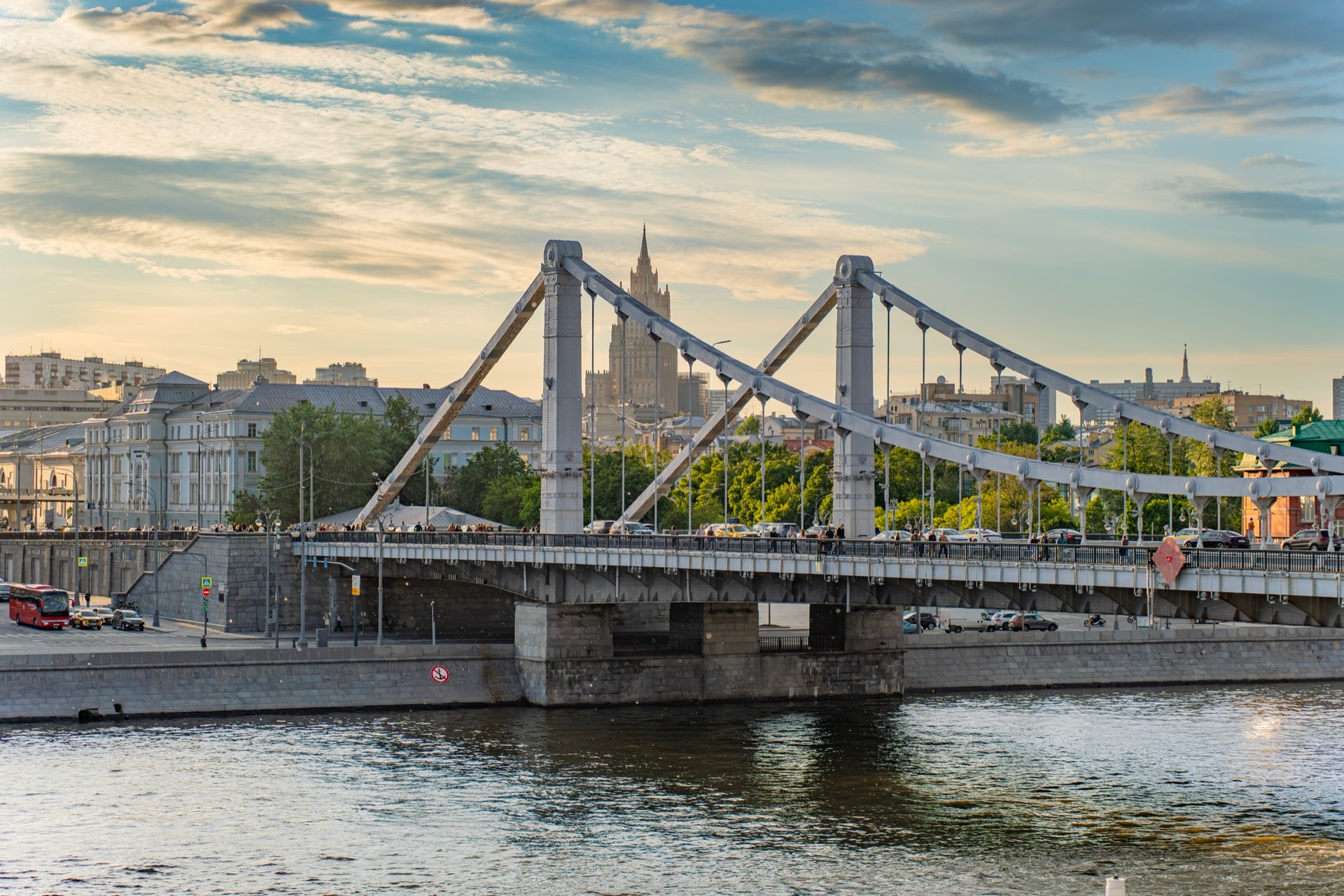
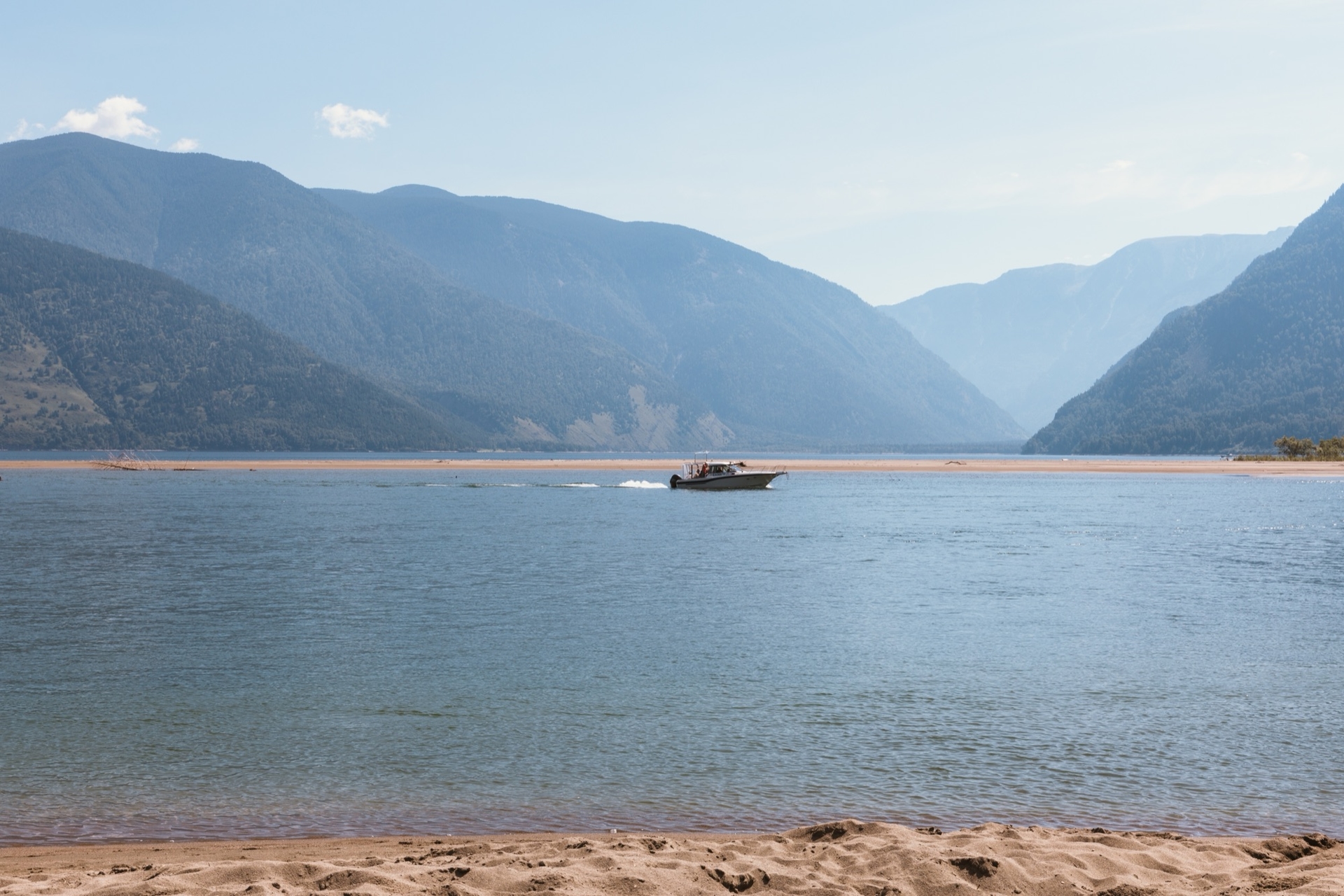
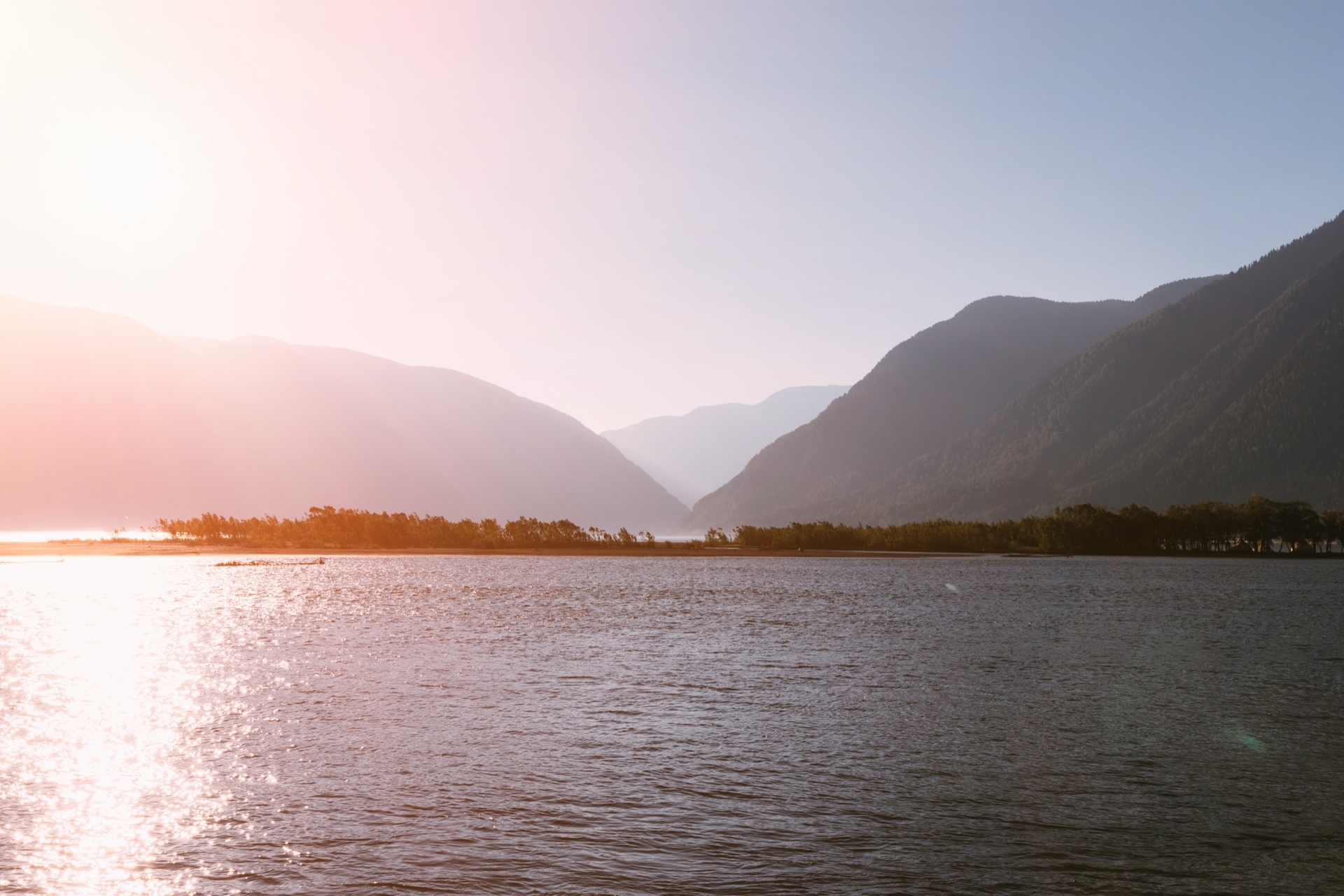
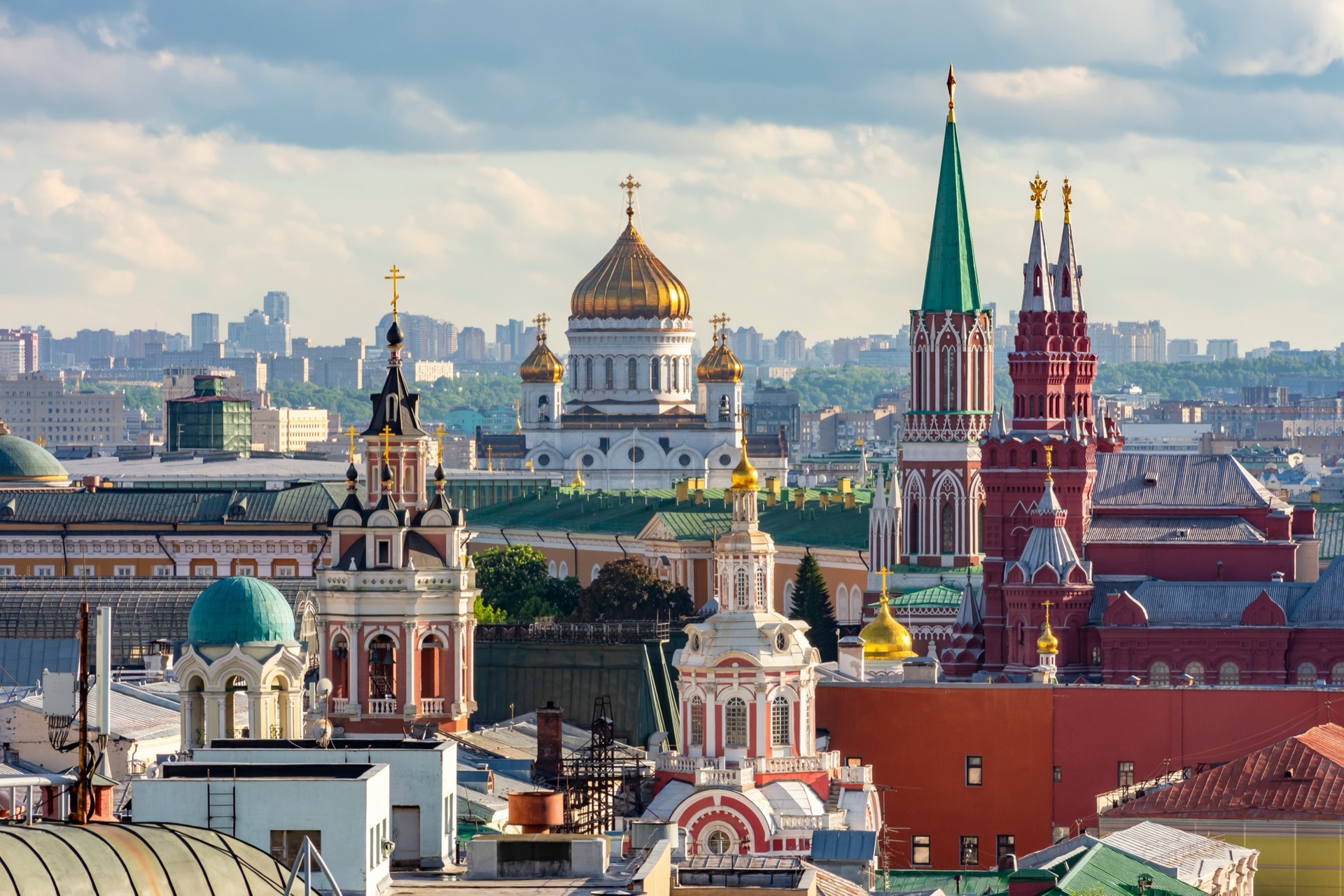
The city brings the wow, the mountains bring the calm, and this 12-day trip brings you both. Guided sightseeing, unique cultural discoveries, cosy stays, and free time make every day easy to enjoy. Spend 2 nights in Moscow with the Kremlin's cathedrals and Red Square, then head into the mountains for 6 nights, including 3 in exotic yurts where evenings end around a campfire with local tales. Cross Altai's largest lake by boat, discover the thermal springs of a spa resort, and stroll through historic Barnaul. Come home with photos that make everyone ask where you have been.
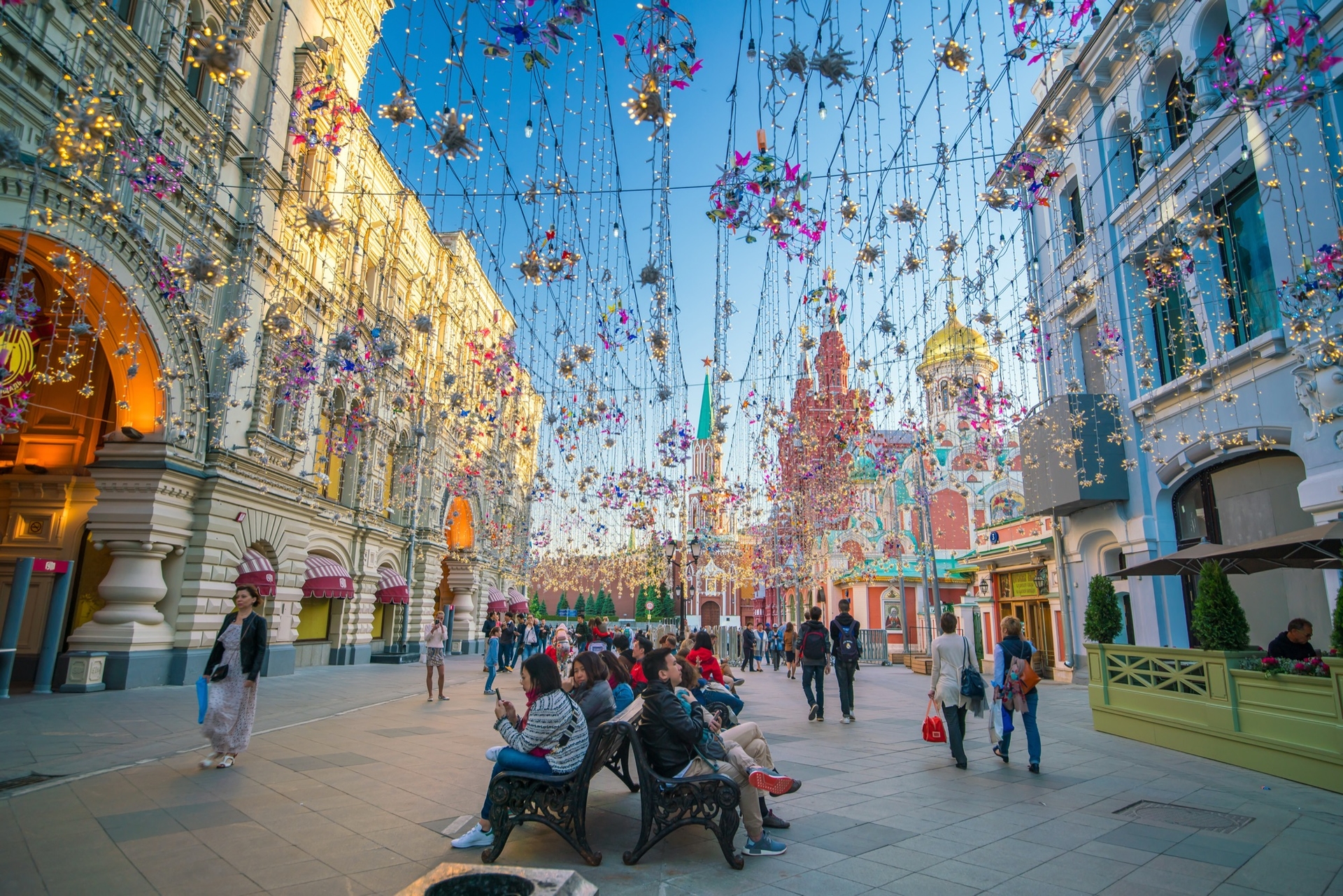
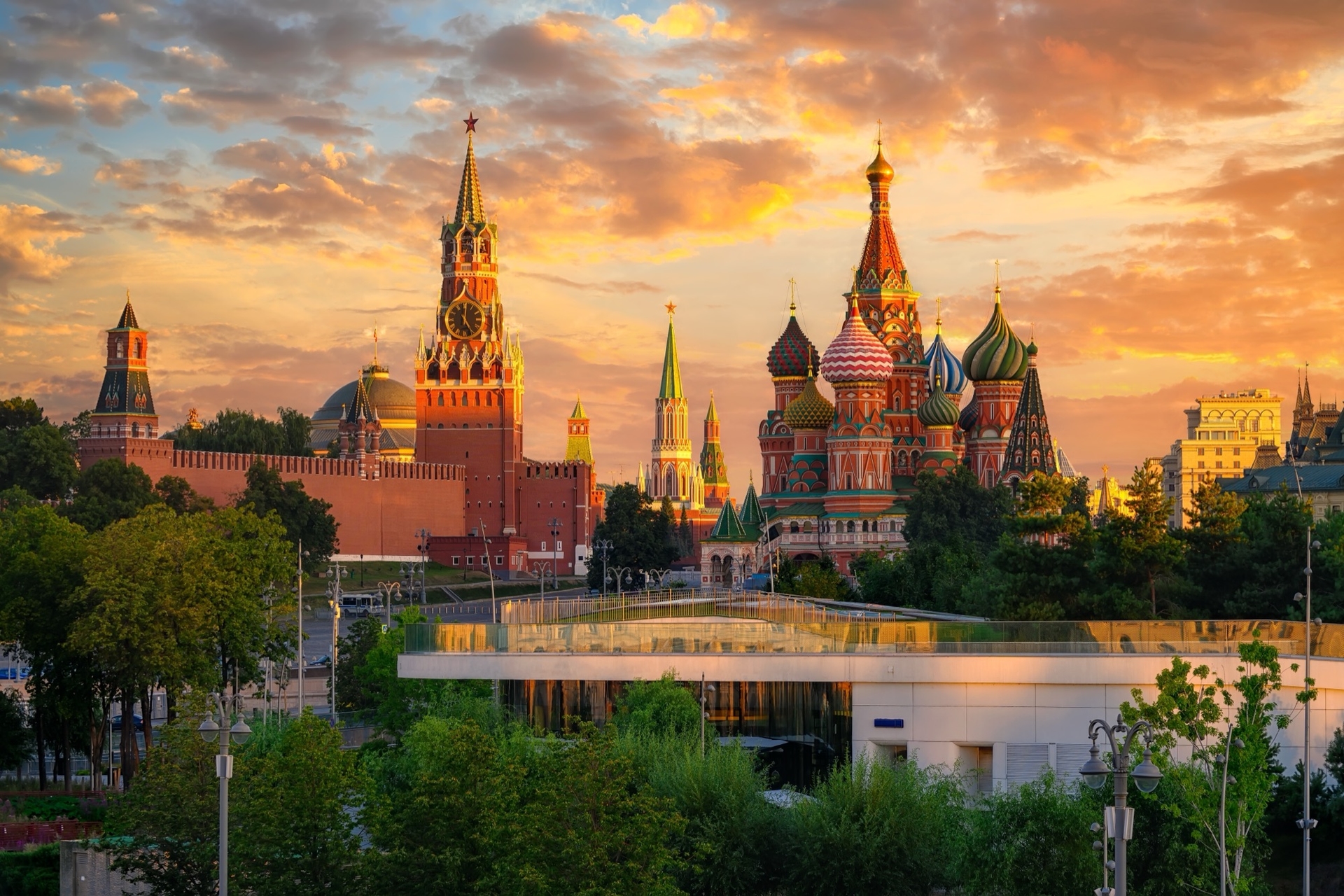
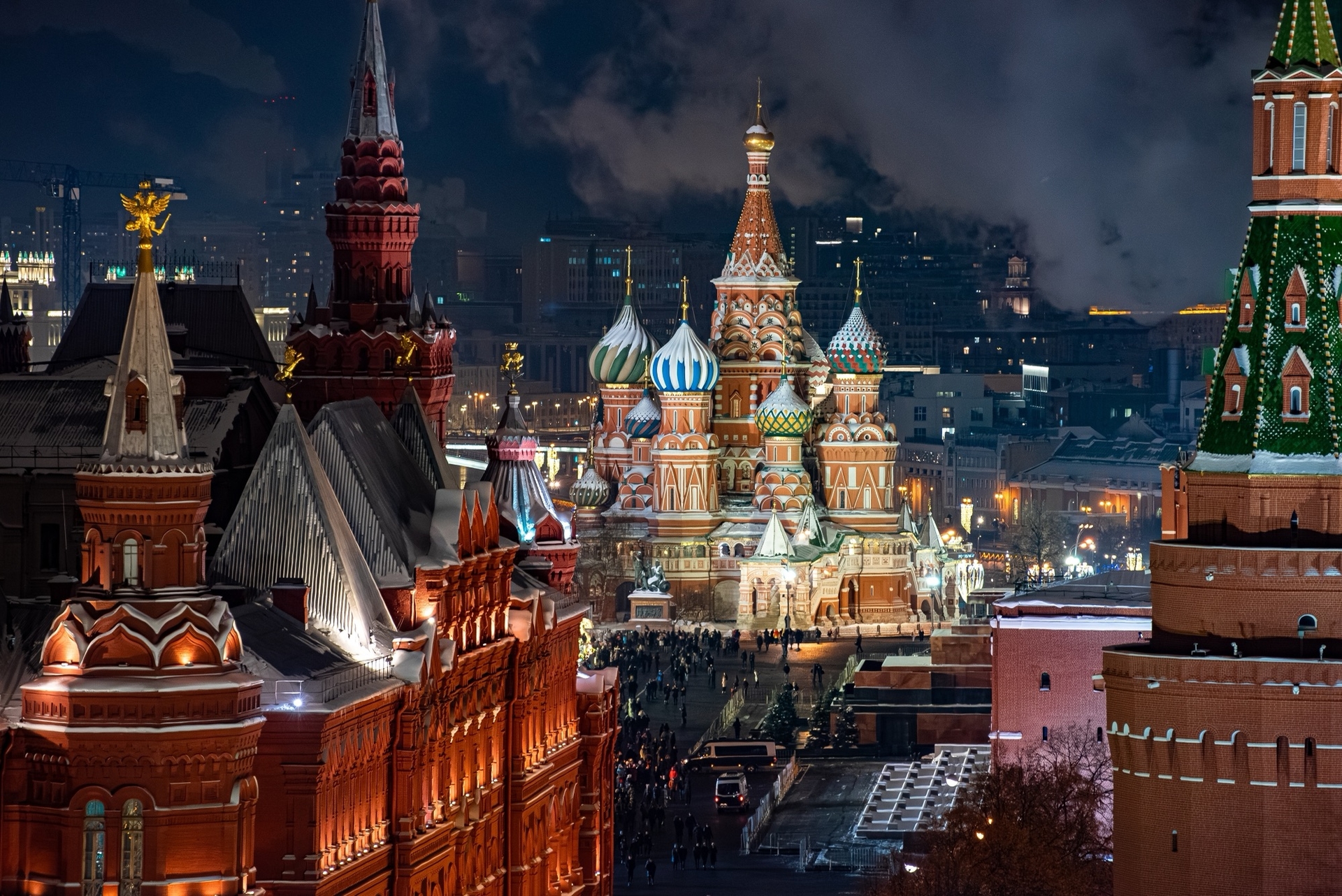
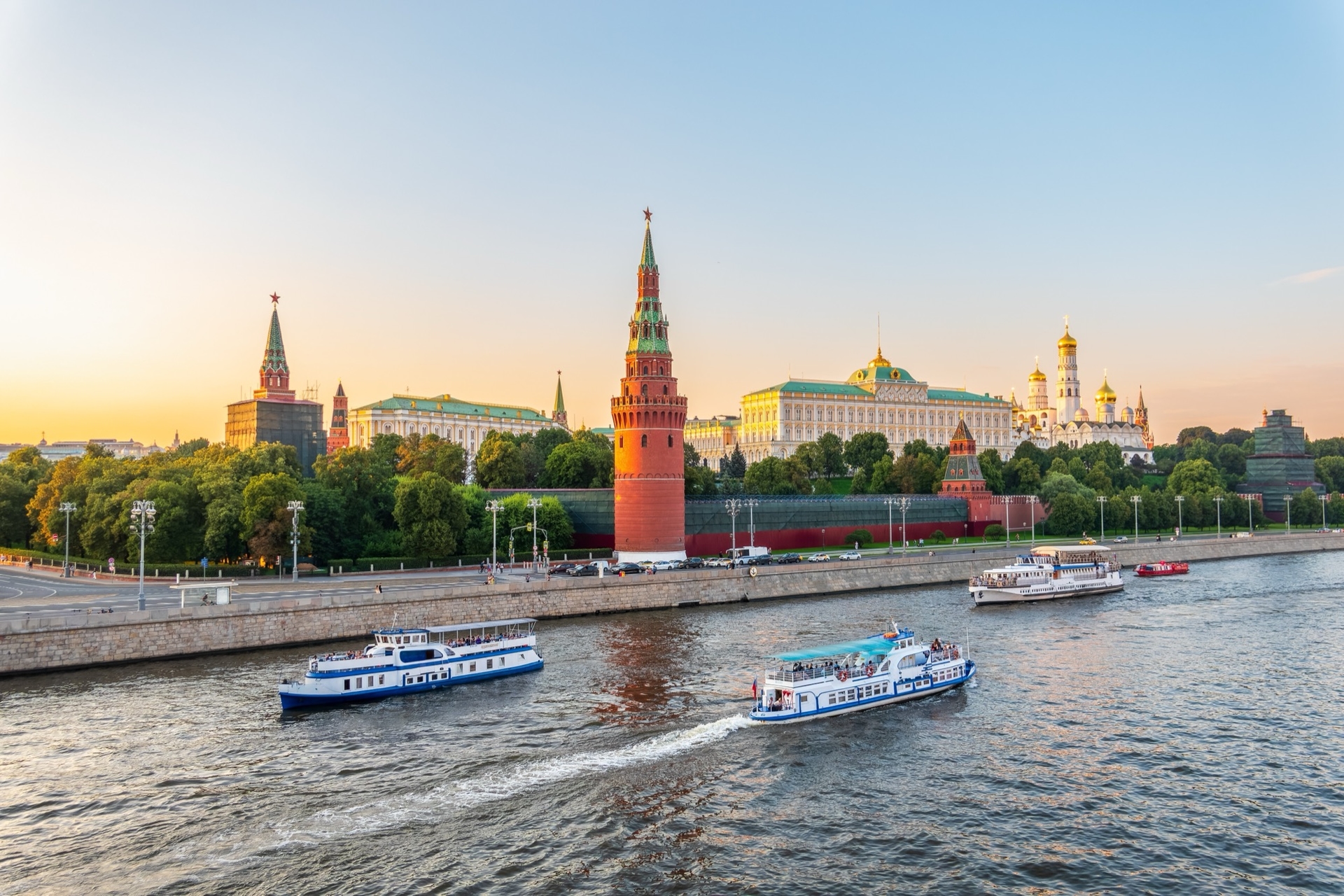
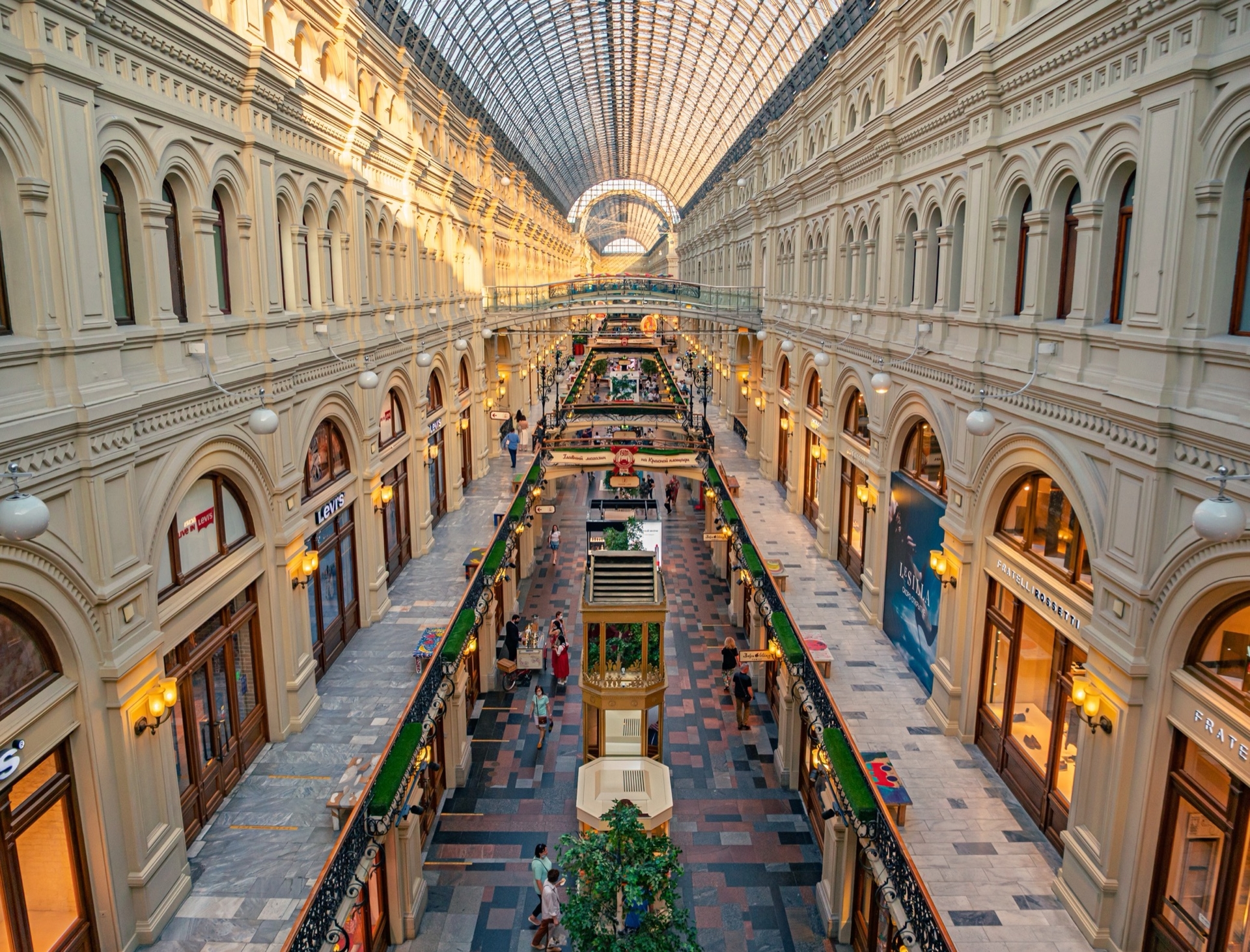
Red Square, the Kremlin's cathedrals, and the glass-roofed arcades of GUM
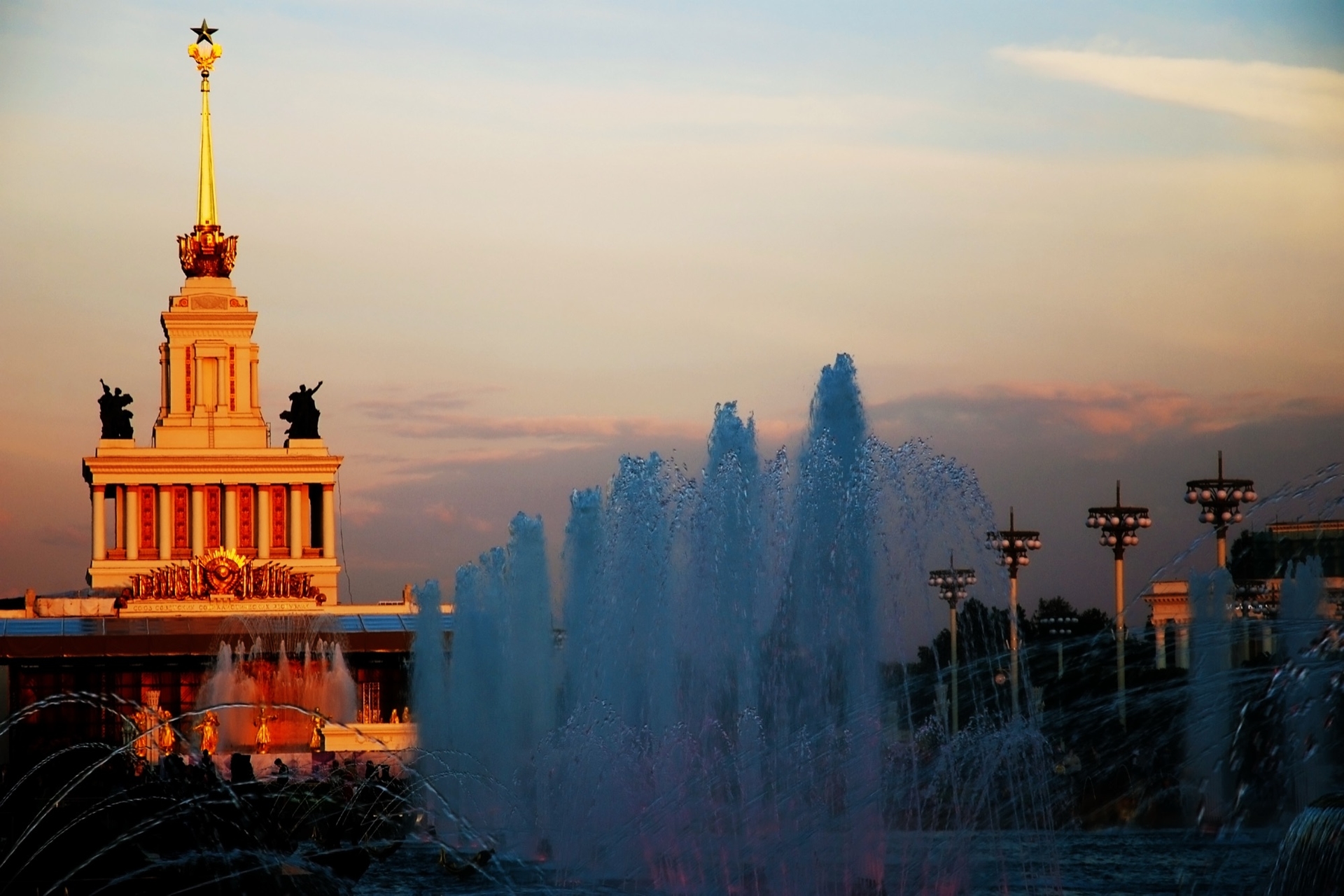
All of central Moscow in miniature at Moscow Maket, and Soviet treasures at Izmailovo
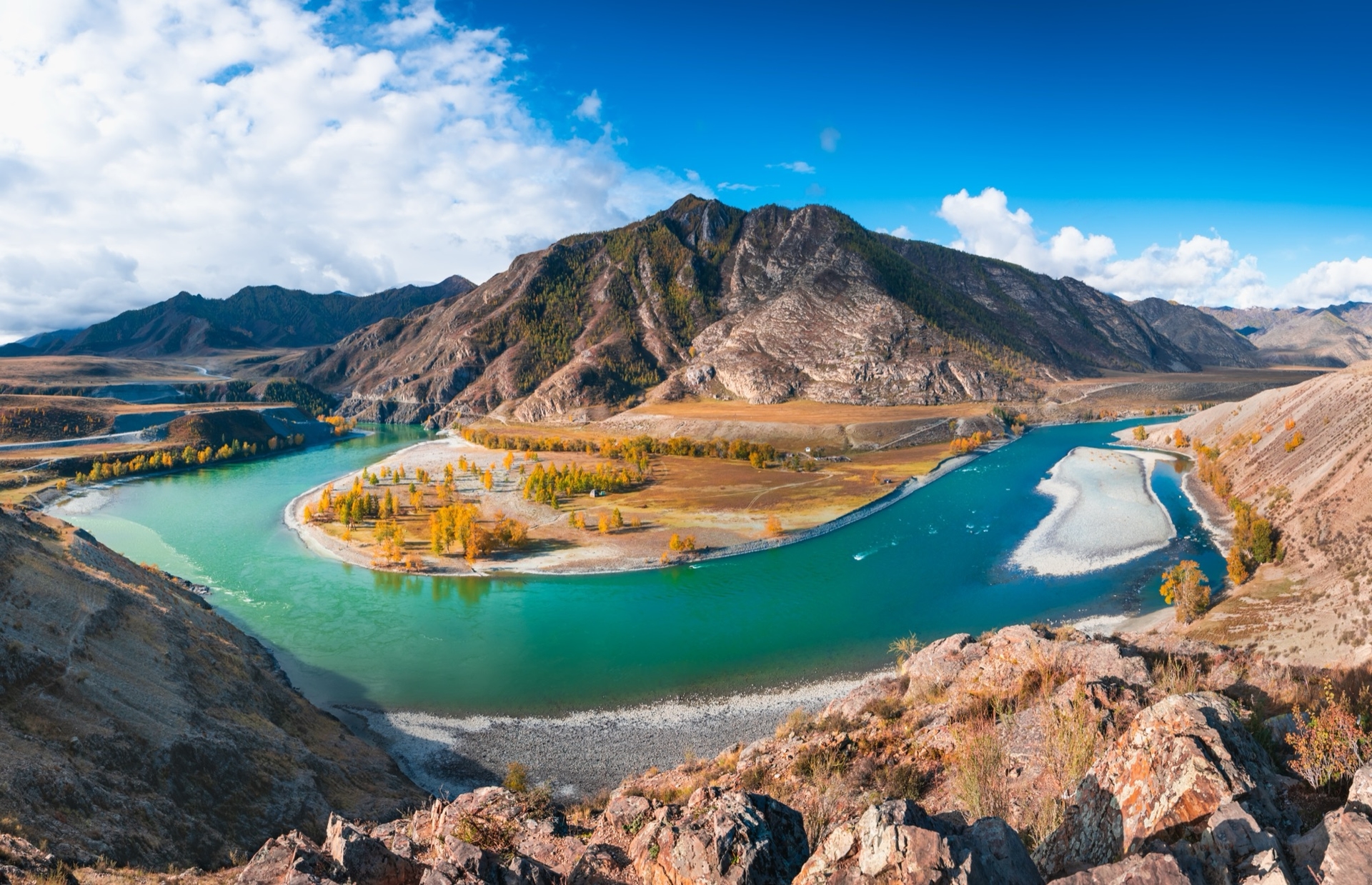
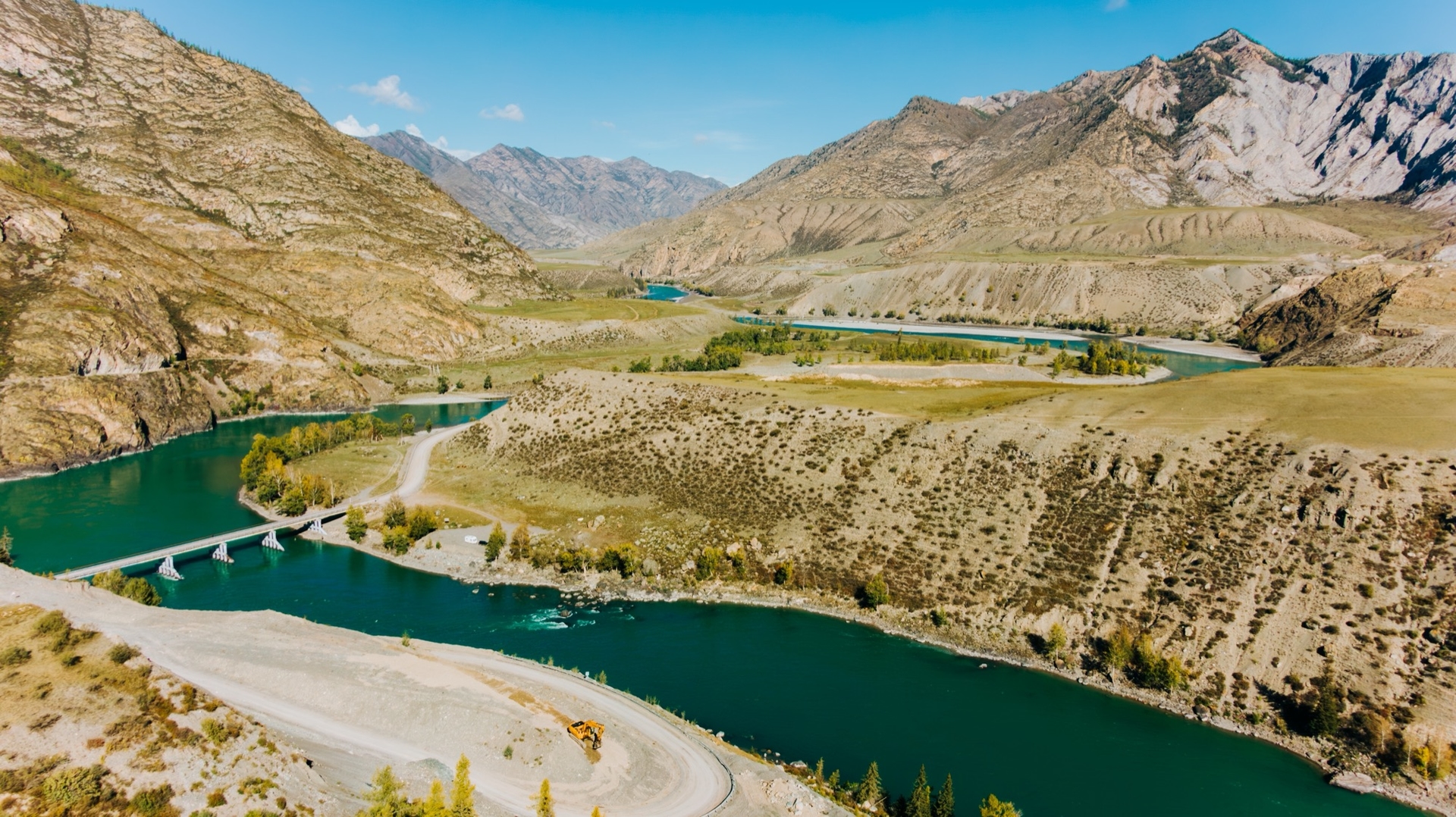
A yurt camp on the Katun, with fire rituals and Altai bedtime stories
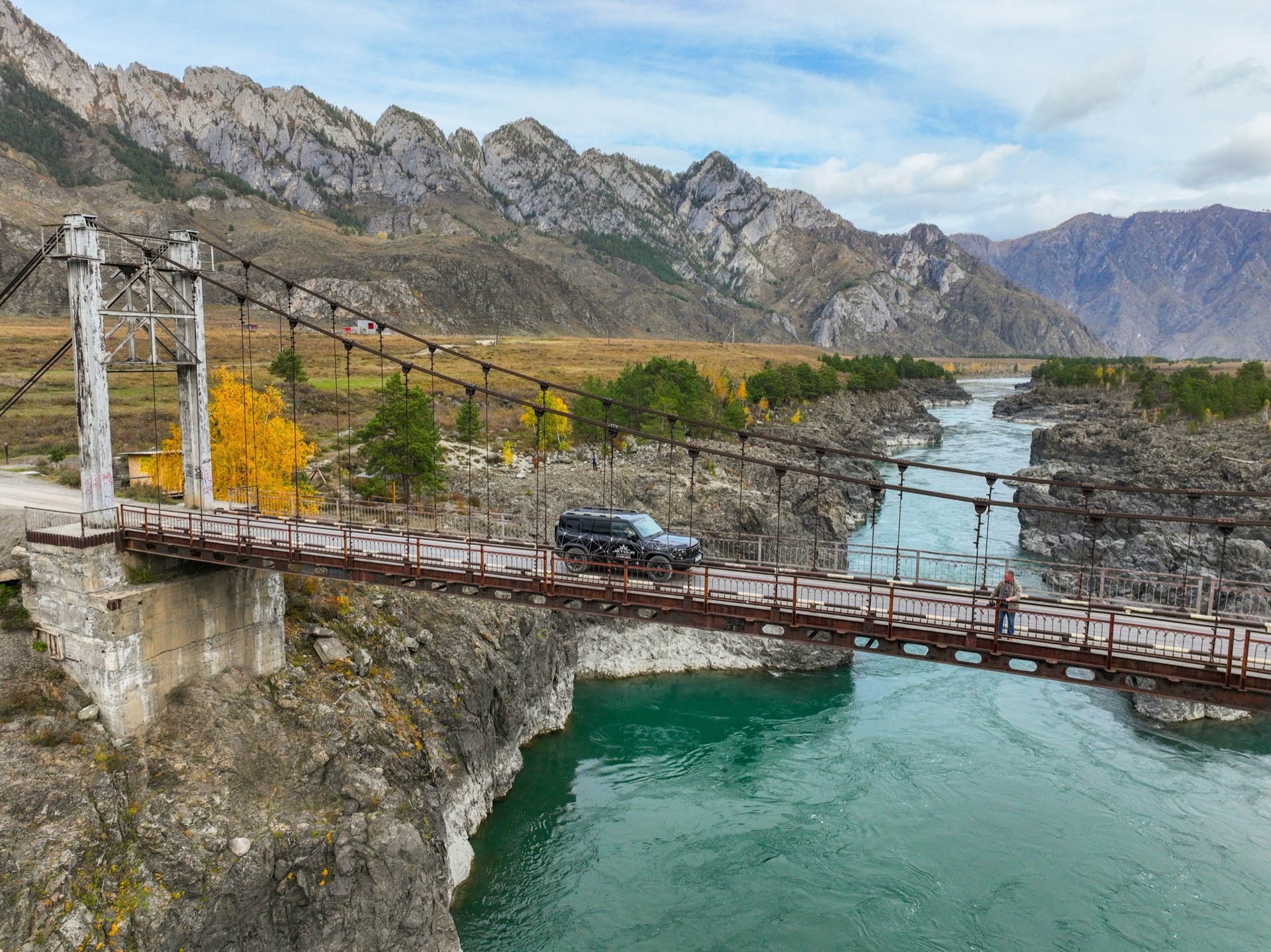
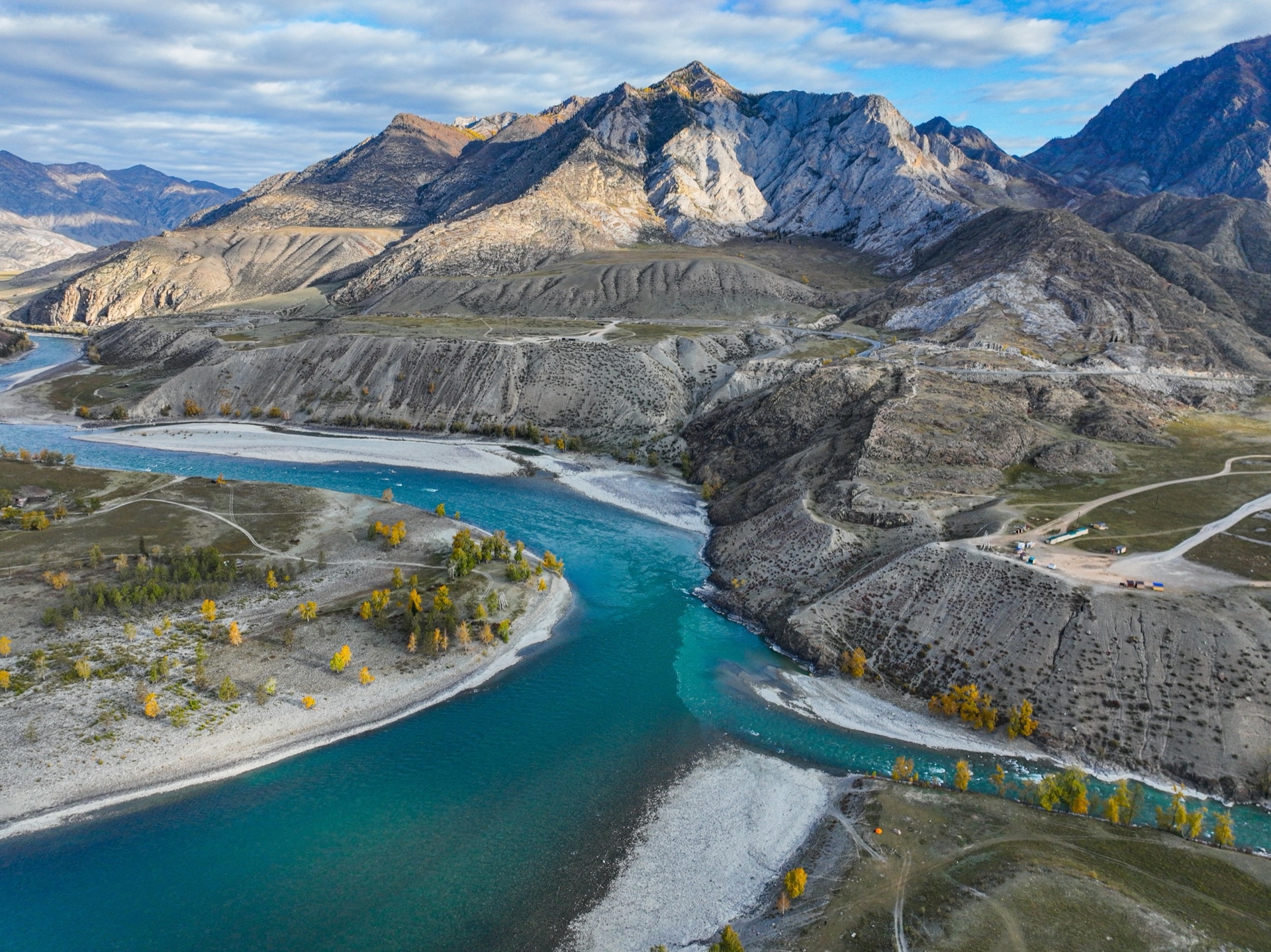
Ancient petroglyphs in a sacred canyon and a swaying bridge to Patmos Island
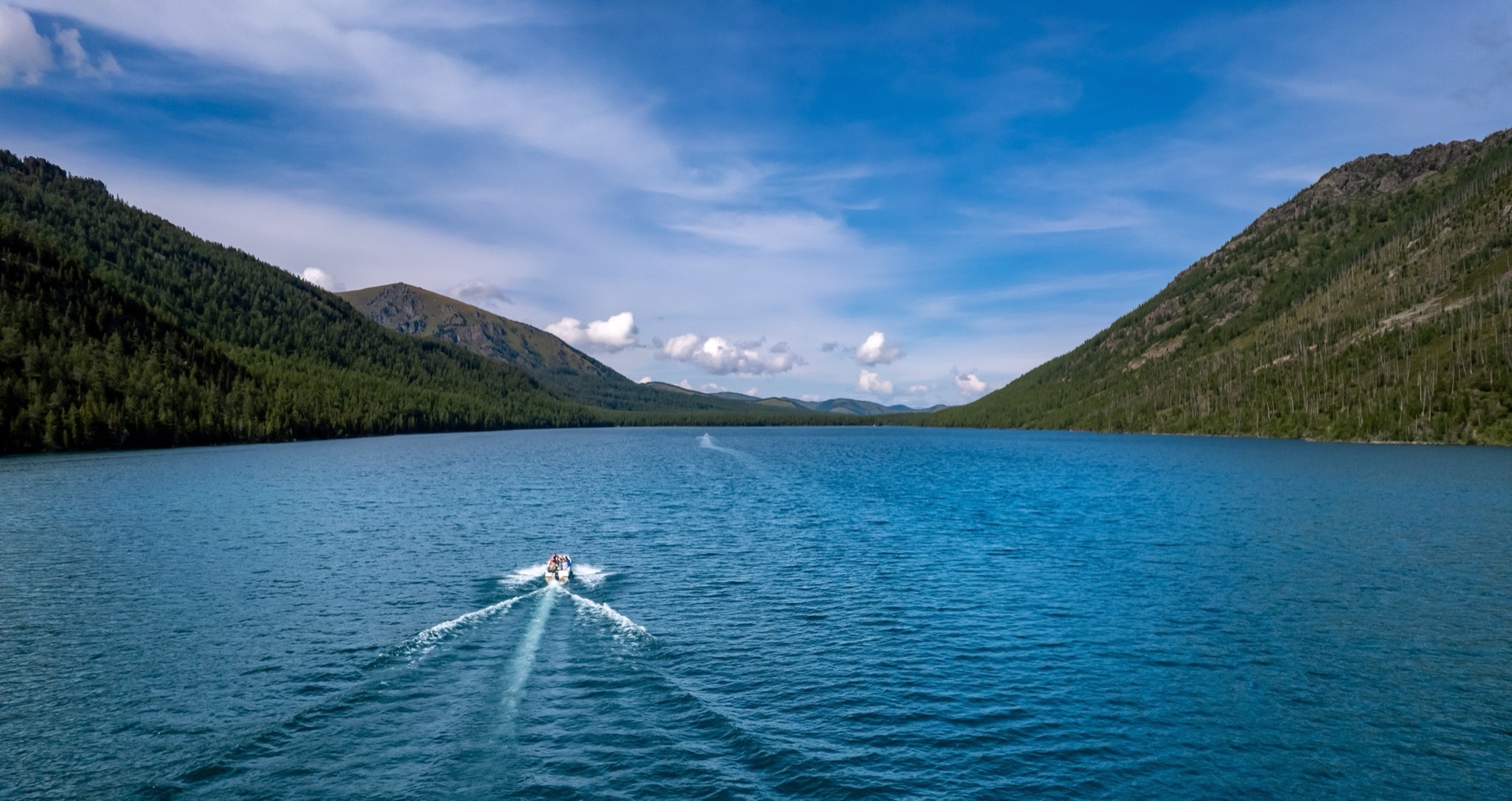
A boat trip across crystal-clear Lake Teletskoye to the Korbu waterfall
An evening of ancient Altai epics, sung with 2 notes from a single voice
A nap on top of buzzing beehives, with fresh Altai honey to taste
A 12-loop mountain road and a museum of 300 chocolate sculptures
Belokurikha, the spa town nicknamed the Switzerland of Siberia
Historic Barnaul and a pharmacy that has made remedies since 1752
Itinerary
Day 1
Welcome to Moscow
Land in Moscow, settle into your hotel, and spend a free day discovering the city at your own pace. Tomorrow's guided sightseeing begins after a good night's rest.
Arrival – Meeting your driver or guide, who holds a name plate. Flight time to be confirmed.
Transfer – Your driver takes you to the hotel.
14:00 – Hotel check-in.
Free time – The rest of the day is yours.
Overnight – In Moscow.
Day 2
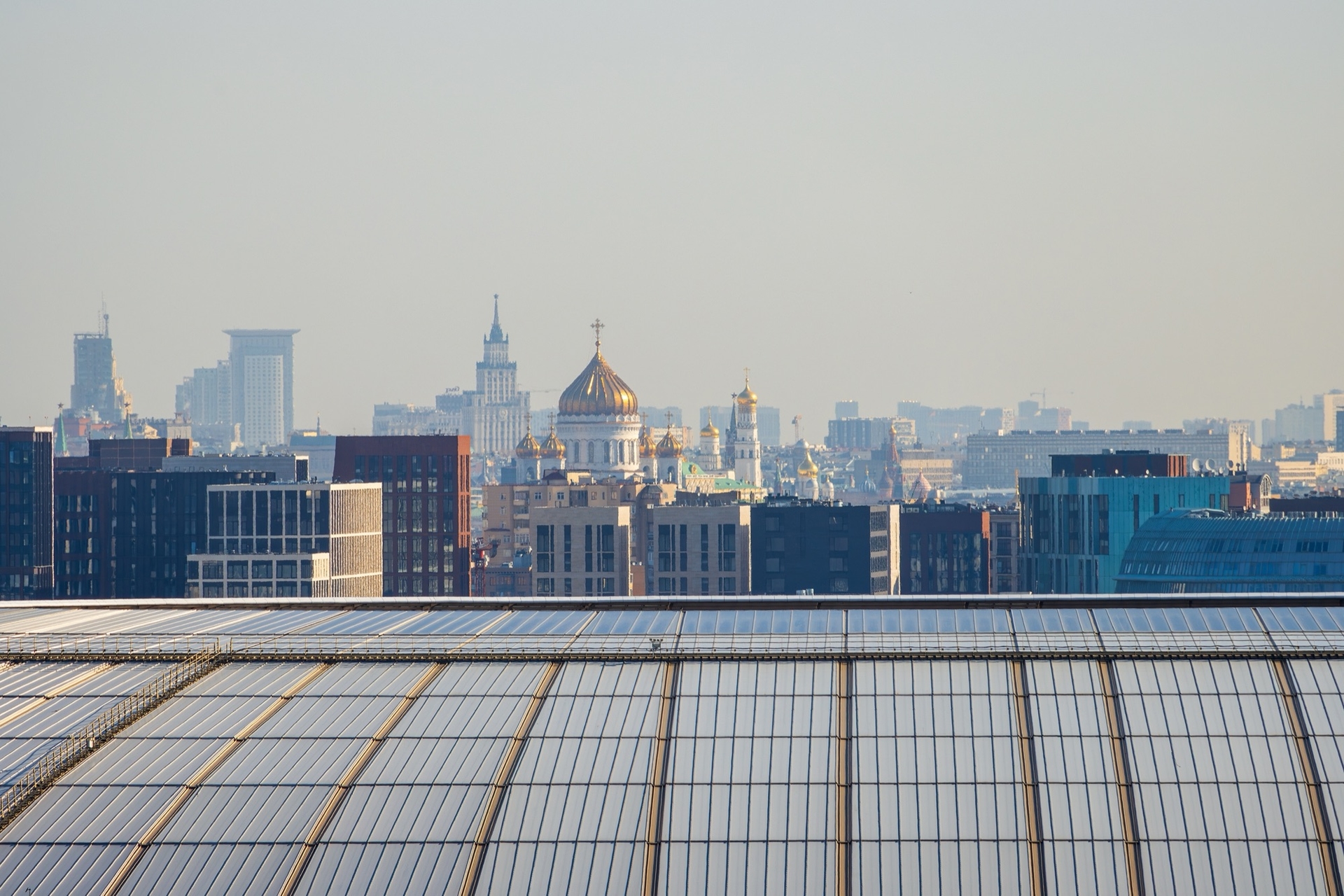
Moscow's skyline, Red Square, and the Kremlin
Pair Moscow's grandest landmarks with its most glamorous arcade. Cathedral domes and the Kremlin's towers set the scene, while GUM's glass-roofed halls hold more than 100 brands, cafes, and restaurants. It's a day of tsarist grandeur with a shopping stop built in.
Breakfast – At the hotel.
10:00 – Meeting your English-speaking guide, who takes you through Moscow's biggest landmarks, starting high above the city:
The Moscow State University observation deck – Moscow lays itself out at your feet from this hilltop platform, with the river, the skyline, and an Olympic stadium below. The star-topped university tower behind you once held the title of the tallest building in Europe.
The Cathedral of Christ the Saviour – Tsar Alexander I commissioned this cathedral to give thanks for victory over Napoleon. Tchaikovsky's 1812 Overture premiered at the original, and today's rebuilt cathedral rises 103 metres beside the Moskva River.
Red Square – Red Square stretches between the Kremlin wall and GUM, and UNESCO lists it together with the Kremlin. In old Russian, the word for red also meant beautiful, so the square's name doubles as a compliment.
St Basil's Cathedral – Ivan the Terrible built this cathedral to celebrate the capture of Kazan, and its swirl of colourful domes has been one of Russia's best-known images ever since. You admire it from outside.
The GUM department store – GUM looks like a palace and works like a boutique street. Glass ceilings light up 3 levels of arcades facing Red Square, lined with more than 100 brands, cafes, and restaurants.
The Kremlin – For centuries, the Kremlin was the home of Russia's grand princes and tsars. Its towers and walls rise above the Moskva River, and the ensemble took more than 500 years to build.
The Kremlin cathedrals – Russia's rulers held their coronations, weddings, and funerals in 3 cathedrals gathered around one square. Frescoes and iconostases fill the interiors, some dating back to the 15th century.
Return – To the hotel.
Overnight – In Moscow.
Day 3
VDNH, Izmailovo antiques, and a night flight to Altai
Save Moscow's most playful side for last. Wander a park where every fountain and pavilion competes for attention, then browse a market that looks straight out of a fairy tale. When the day ends, a night flight carries you toward the Altai Mountains.
Breakfast – At the hotel, then check-out.
11:00 – The day starts at VDNH and finishes at a fairy-tale flea market:
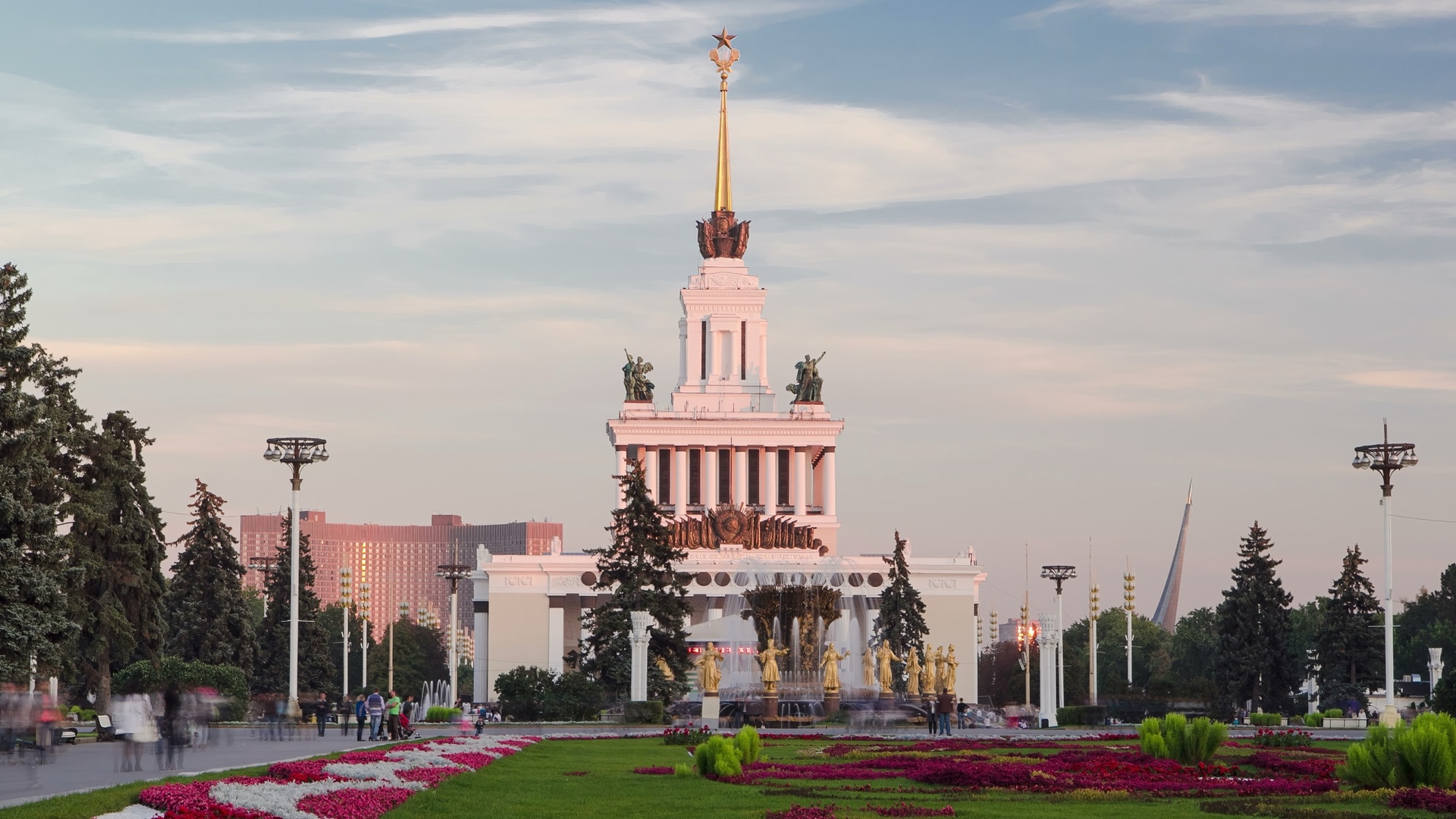
VDNH Park, the All-Russian Exhibition Centre – Opened in 1939 as a showcase of Soviet achievements, this exhibition centre still knows how to make an entrance. Gilded statues circle one fountain, another blooms as a stone flower among glittering gems, and dozens of pavilions each show off a style of their own.
Moscow Maket – Central Moscow shrinks into a single pavilion, with 23,000 tiny buildings and structures at a scale of 1:400. Light shows switch the model from day to night, so the skyline changes mood.
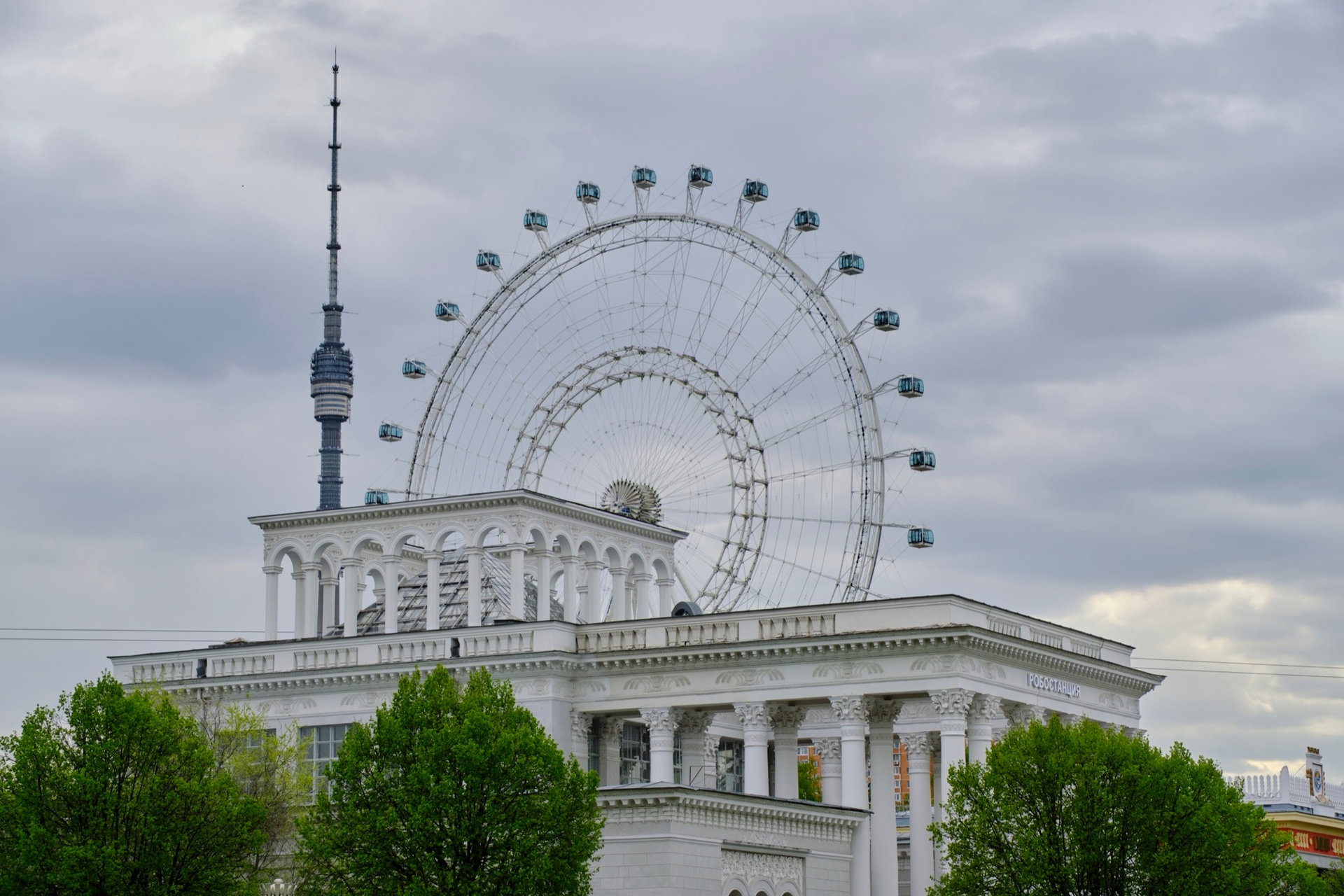
The “Sun of Moscow” Ferris wheel – Optional, and not included in the package. At 140 metres, it is the tallest Ferris wheel in Europe, and one turn takes almost 19 minutes.
Transfer – To the Izmailovo flea market.
The Izmailovo flea market – Fairy-tale rooftops frame this market at the Izmailovo Kremlin. Stalls sell Soviet posters, samovars, matryoshka dolls, paintings, and amber jewellery, and sellers come from all over Russia.
19:00 – Transfer to the airport for the overnight flight.
22:20 or 00:10 – Flight to Gorno-Altaysk, the capital of the Altai Republic, on S7 Airlines or Aeroflot. Flights are not included in the package.
Overnight – On the plane.
Day 4
A yurt camp, a campfire, and Altai's warm lake
Altai doesn't waste any time. Straight off the night flight, the road follows the Katun to the village where actor and writer Vasily Shukshin was born, then on to Manzherok and the only warm lake in the Altai Republic. At the end of the road, your yurt is waiting. After dinner, the camp gathers around the fire to feed the flames, glimpse the future in an old ritual of predictions, and settle in for an Altai bedtime story.
07:10 or 08:35 – Arrival at Gorno-Altaysk airport, where your driver meets you.
Transfer – 65 km to Srostki.
11:30-13:00 – Meeting your guide and the group in Srostki. From here, the day moves from a writer's village to a mountain resort, then on to your yurt camp:
Srostki – Srostki is a quiet village on the Chuisky tract, Altai's main road, on the banks of the Katun. It is the birthplace of Vasily Shukshin, the actor, director, and writer.
The Shukshin museum – Shukshin's world lives on across several buildings, including the school where he studied and the house he bought for his mother. You explore one of its expositions, and the ticket costs an additional charge.
Transfer – 100 km to Manzherok.
Manzherok – Manzherok centres on the only warm lake in the Altai Republic, with the slopes of Sinyukha rising right behind it. Guests get to know a resort that is as much a natural space as it is a village.
The Sinyukha cableway – Optional, for an additional charge, and offered in fine weather. The ride glides over the mountainside, revealing rolling mountains, the Katun winding through the valley, and the lake below.
Transfer – 20 km to Turquoise Katun.
Altai Nomad – This glamping camp at Turquoise Katun spreads cosy yurts across the expanses of Altai, and mornings begin with birdsong and the scent of flowering herbs. It is your home for the next 3 nights.
Dinner – Local cuisine.
Campfire evening – As night falls, the camp gathers around the fire for the Altai bedtime story, a ritual of predictions, and a fire-feeding ritual in the style of the Altai tradition choy-choy. Altai people traditionally honour fire as the protector of the home.
Accommodation: Ethno-glamping Altai Nomad. Distance: 340 km by car, 3 km on foot.
Day 5
Che-Chkysh canyon, Patmos Island, and Dragon's Teeth
Follow the Katun into the heart of Altai, where a canyon, a swaying bridge, and an island temple wait along the way. If the weather turns, an artist's museum and a village of craftsmen take their place. Back at camp, an evening of stories and local tastes closes the day.
Breakfast – At the glamping camp.
In fine weather – The day follows the Chemalsky tract beside the Katun, with a canyon, an island, and a photo stop ahead:
Transfer – 90 km along the Chemalsky tract to Che-Chkysh.
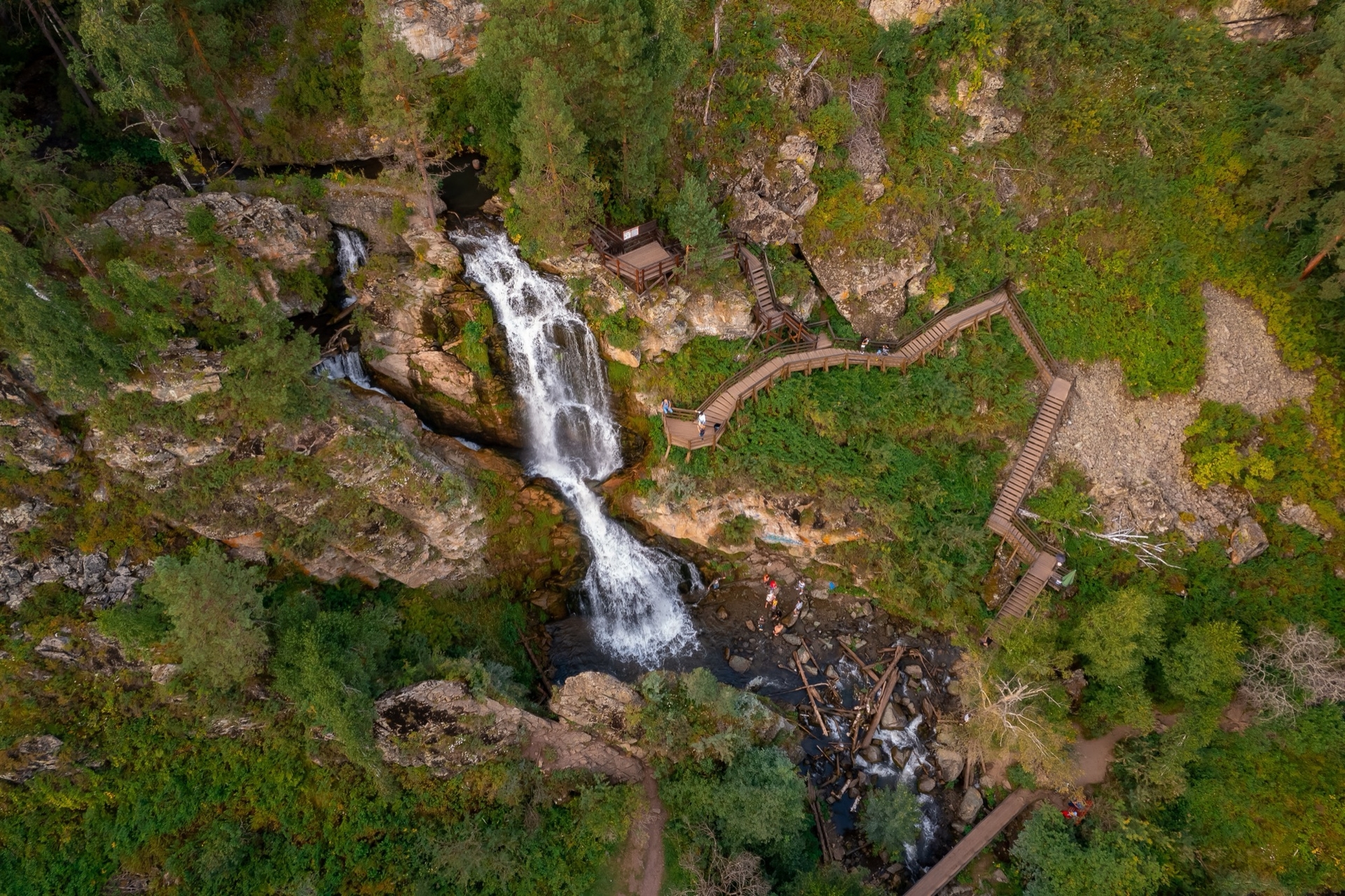
Che-Chkysh – Altai people prayed to their gods here in ancient times, and local tradition calls this rocky canyon a place of powerful energy. Its waterfall and "stream of health" are the highlights, petroglyphs mark the rocks, and a hike leads up to an observation deck.
Transfer – 30 km to Patmos Island.
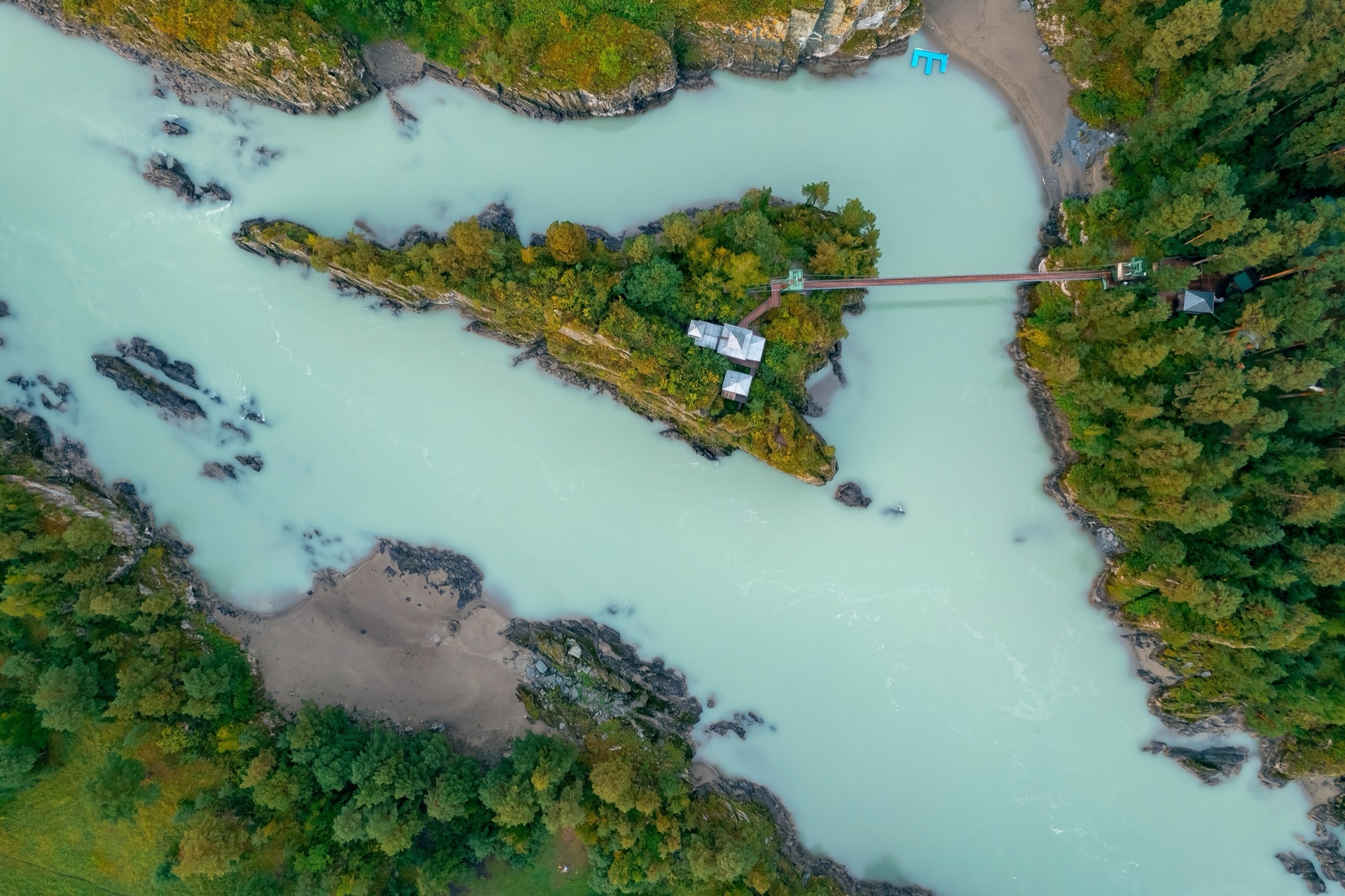
Patmos Island – A rope bridge, about 15 metres above the Katun, is the only way onto Patmos Island, and it sways as you cross. On the island, a restored temple honours John the Theologian, and the restored cell of St Macarius of Altai stands nearby.
Transfer – 50 km from Chemal to Barangol.
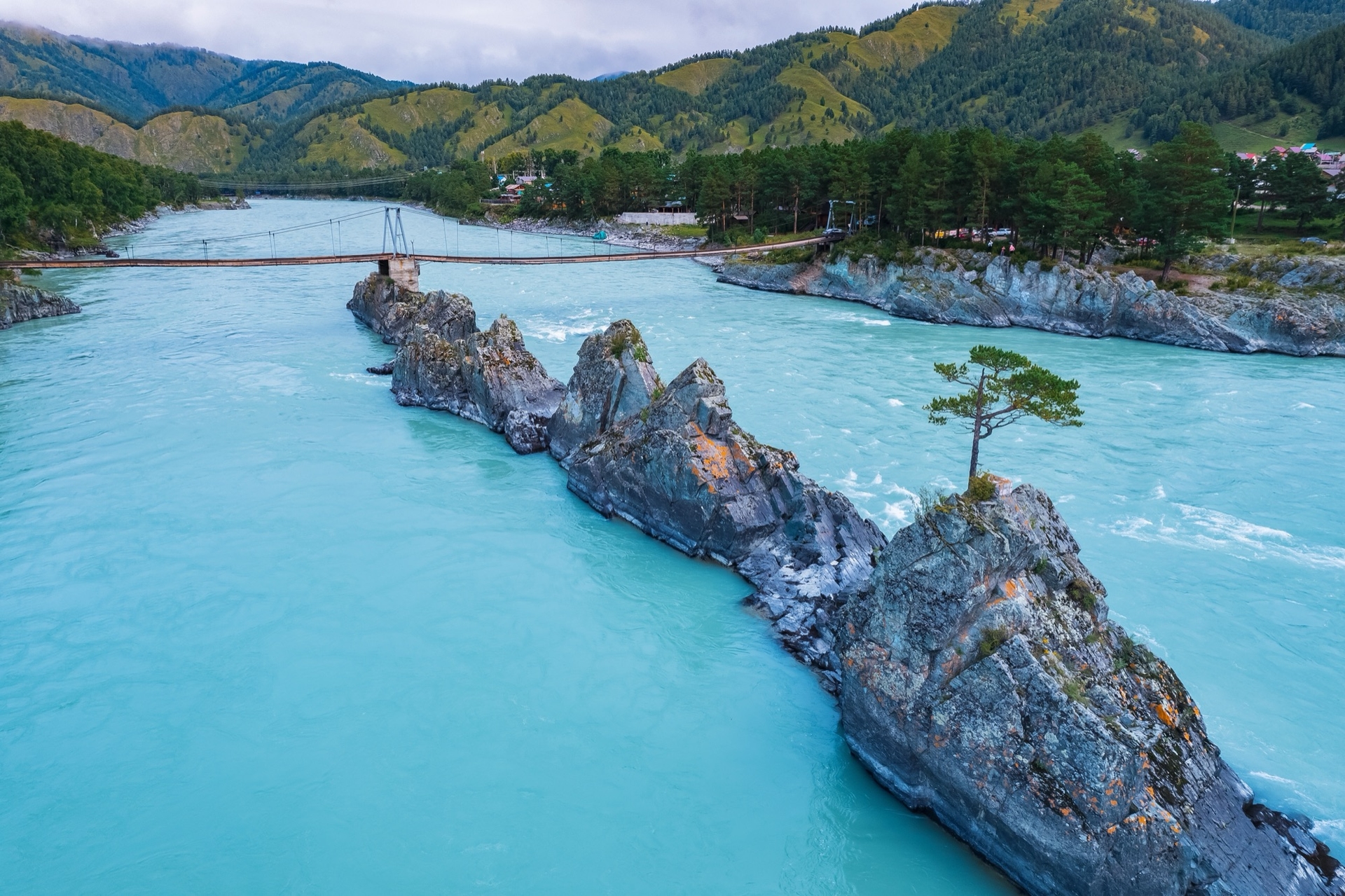
Dragon's Teeth – Rocks rising from the Katun give this photo stop its name. You stop on the river's left bank.
If it rains – The day moves indoors to an artist's museum, then to a village of craftsmen:
The Choros-Gurkin museum and gallery – Grigory Choros-Gurkin is remembered as the founder of fine art in the Altai Mountains, and his landscapes of the mountains, lakes, and the Katun made him famous. The museum and gallery keep his story and his work.
Transfer – 10 km to Askat.
Askat – A small village on the Katun's left bank, known as the village of craftsmen. It is the natural stop for anyone curious about Altai's handmade traditions.
Transfer – 25 km from Askat to Barangol.
Rafting on the Katun – Optional, for an additional charge. Rafting takes you onto the turquoise Katun, the main river of Altai, whose name comes from the Altai word for mistress.
The Kamyshlinsky waterfall – Optional. The waterfall spills down in two cascades, 12 metres high.
Transfer – 30 km from Barangol to Turquoise Katun.
Dinner – Local cuisine.
Evening programme – The evening tells the story of Altai customs and traditions, with a tasting of local cuisine.
Accommodation: Ethno-glamping Altai Nomad. Distance: 160 km by car, 6 km on foot.
Day 6
Lake Teletskoye by boat, Korbu waterfall, and Altai folk music
Glide across the lake Altai people call golden, all the way to a waterfall no road can reach. Legend says a rich man threw his gold into these waters, and on a sunny day the surface still seems to hold its shine. Back at camp, a storyteller sings ancient epics in a voice that carries 2 notes at once, and by the end of the night you might be playing in the band.
Breakfast – At the glamping camp.
Transfer – 210 km to Lake Teletskoye.
Lake Teletskoye – Altai's largest lake winds 78.6 km between the mountains and plunges more than 300 metres deep. About 70 rivers pour into it, yet the Biya is the only one that flows out. On a calm day, you can see up to 14 metres down through the water.
Boat trip – The highlight of the day starts on the water, with the lake's wild shores, a nature reserve, and 2 waterfalls ahead:
The Altai State Biosphere Reserve – Snow leopards and rare argali sheep roam the slopes of one of Russia's wildest corners, now part of a UNESCO World Heritage Site. Most of the reserve is closed to visitors, so the boat is your ticket into a world few people ever see.
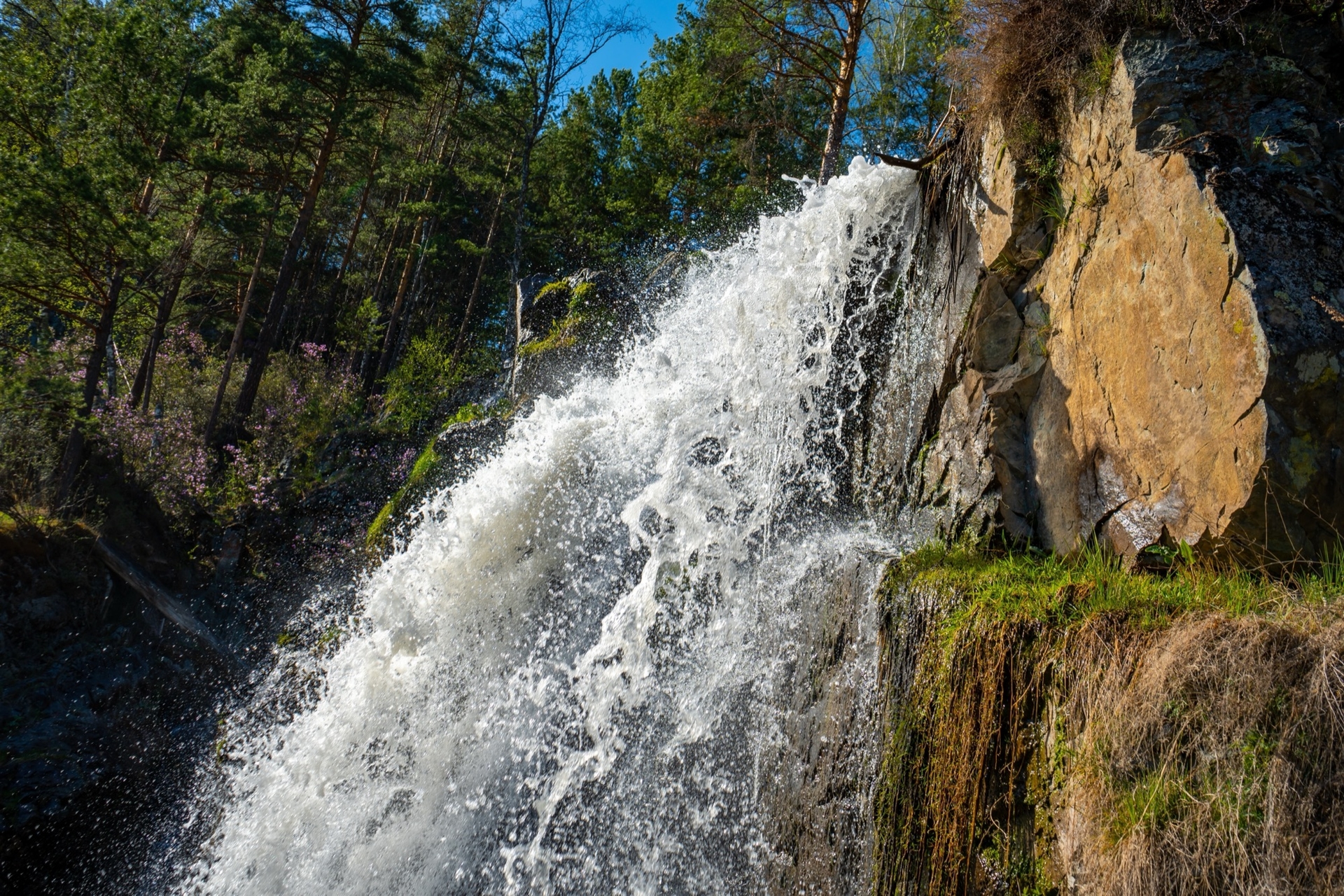
Korbu waterfall – Korbu is the largest waterfall on Lake Teletskoye, and it crashes 12.5 metres onto the rocks in a wide, foaming fan. A wooden trail leads along the river to its viewing deck, and after rain the spray reaches you there.
Kishte waterfall – On the way back, the boat stops at a viewing point above this waterfall at Cape Ayran. Its name is often linked to the roar of the river, which carries far across the lake.
Transfer – 210 km back to Turquoise Katun.
Dinner – Local cuisine.
Folklore evening – A kaichi, a traditional Altai storyteller, opens the evening with kai, an ancient singing style known in English as throat singing, which draws 2 notes from a single voice. National epics and ballads follow, played on the topshur, a 2-string lute, and the komus, a jaw harp. Listen, or pick up an instrument and join an improvised Altai orchestra.
Accommodation: Ethno-glamping Altai Nomad. Duration: 420 km by car, 4 km on foot.
Day 7
A nap on beehives, Tavdinsky caves, and Gorno-Altaysk
Bees set the soundtrack for this morning. At an Altai apiary, you taste fresh honey and honeycomb, then stretch out on top of the hives for a nap unlike any other, lulled by their hum and the sweet scent of honey. On a sunny day, the route dips into limestone caves where Bronze Age people left their pottery behind and climbs to a viewpoint high above the Katun. In Gorno-Altaysk, the national museum keeps a 2,500-year-old princess with deer tattoos still visible on her skin, and a walk through the capital reveals why it has gone by 3 names.
Breakfast – At the glamping camp, then check-out.
The apiary – Altai honey comes straight from the source here, ready to taste and buy alongside honeycomb, propolis, mead, and royal jelly, the food that turns an ordinary bee into a queen. There is also perga, or bee bread, the pollen that bees pack into the comb as their own food store.
Sleeping on the hives – The highlight of the day is a relaxing nap right on top of the hives. The gentle vibration of the swarm hums beneath you, and the air smells of honey.
In fine weather – The day continues around Turquoise Katun, with a cave labyrinth and a riverside viewpoint:
Tavdinsky caves – Water spent millions of years carving this labyrinth of vaults, grottos, and arches out of limestone. Archaeologists have found pottery and other traces of the Bronze and Iron Ages inside, so you walk where people lived thousands of years ago. The entrance ticket is at an additional charge.
The viewing platform with the Roerich monument — A marble monument to Nicholas Roerich, the painter who explored Altai and painted its mountains, stands high above the Katun. Nearby, the river has cut Ichthyander's Grotto into the rock at water level, a cave named after the sea-dwelling hero of a famous Soviet sci-fi novel.
Transfer – 60 km to Gorno-Altaysk.
The A. V. Anokhin National Museum of the Altai Republic – Altai's main museum tells the story of the region's indigenous peoples through rich ethnographic collections. Its star is the Princess of Ukok, a 2,500-year-old woman found frozen in the ice of a high mountain plateau, with deer tattoos still visible on her skin. Many Altai people honour her as the ancestor of their nation. The entrance ticket is at an additional charge.
A walk around Gorno-Altaysk – The capital of the Altai Republic started out as the village of Ulala, became Oirot-Tura in 1932, and took its current name in 1948. The walk traces that transformation, from a small village to the capital of a republic.
Transfer – 120 km to Novotyryshkino, across the picturesque expanses of Siberia.
Dinner – Local cuisine.
Accommodation: Altai Green Park Hotel. Duration: 190 km by car, 5 km on foot.
Day 8
A 12-loop road, chocolate sculptures, and mysterious granite rocks
Wind your way up a mountain road that loops 12 times, with quirky art objects waiting along the way. On a sunny day, the top rewards you with sweeping views and granite rocks that still puzzle geologists. Later, a park full of healing herbs offers a lunch where wild plants take the starring role.
Breakfast – At the hotel.
Transfer – 20 km to Gornaya Belokurikha.
Gornaya Belokurikha – Next door to Belokurikha, Altai's famous spa town, a young resort is growing on the mountainside. A modern road climbs to it in 12 loops over 8 km, and unusual art objects pop up along the way.
In fine weather – The day continues on foot, with granite rocks, chocolate, and a 19th-century homestead ahead:
Ambarchiki – These granite outcrops are among the area's most striking geological sights, with a sweeping panorama from the top. Their surface hides a real mystery: prints that look like the tracks of fantastic animals, the kind geologists usually find only on volcanic rock.
The chocolate museum – Around 300 sculptures fill this wooden museum, and a sculptor and jeweller created them from 500 kg of Belgian chocolate. It may be the sweetest stop of the whole resort.
Andreevskaya Sloboda – This open-air museum centres on the house of the Andreev merchant family, built in 1822 and brought here from the village of Verkh-Anuyskoye. A blacksmith's forge, a healer's house, and a house for baking bread stand around it, so you can step straight into 19th-century Siberian village life. The entrance ticket is at an additional charge.
Transfer – 70 km to Altayskoye.
Altai Kholmogorye arboretum – More than 16 hectares of trees, shrubs, flowers, and medicinal herbs spread across this park, with exotic plants growing in its greenhouse. Rock gardens and carved wooden bridges give the walk a fairy-tale touch. The entrance ticket is not included and is paid on the spot.
Gastro-botanical lunch – Optional, not included, and paid on the spot. New Altai cuisine gives traditional recipes a fresh twist with wild plants and medicinal herbs, so familiar dishes take on brand-new flavours.
Transfer – 70 km back to Novotyryshkino.
Dinner – Local cuisine.
Accommodation: Altai Green Park Hotel. Duration: 160 km by car, 6 km on foot.
Day 9
Belokurikha, the Switzerland of Siberia
Somewhere between the Siberian plain and the Altai Mountains, a spa town nicknamed the Switzerland of Siberia has been helping people recharge for a century. Warm springs rise from deep underground, walking trails wind through the hills, and the shops are stocked with cedar souvenirs and Altai honey. For the best view in town, a chairlift climbs to the spot where the great plain ends and the mountains begin.
Breakfast – At the hotel.
Transfer – 25 km to Belokurikha.
Sightseeing – A tour of the resort shows off its greatest treasures, from thermal water and springs to clean mountain air:
Belokurikha – Nicknamed the Switzerland of Siberia, this resort town sits in a valley where the Altai foothills begin. Its springs reach the surface at 30 to 42°C, and the air is unusually rich in light ions. People have been coming here to recharge since the 1920s.
Free time – Browse the souvenir shops or head out on the terrenkurs:
The terrenkurs – These marked walking trails each have a set length and gradient, made for healthy, unhurried walks. Routes lead to a spring, a waterfall, and a rock called the Four Brothers.
Souvenir shops – Altai cedar woodwork, herbal teas, honey, and natural herbal cosmetics fill the shelves.
Chairlift to Tserkovka Mountain – Optional, not included, and paid on the spot. The chairlift rises to the top of Tserkovka, the mountain that towers over the resort. From the viewing platform, the endless plain of Western Siberia stretches out on one side, and the Cherginsky Ridge rises on the other. Squirrels and chipmunks at the top are bold enough to eat from your hand.
Transfer – 25 km back to Novotyryshkino.
Dinner – Local cuisine.
Accommodation: Altai Green Park Hotel. Duration: 50 km by car, 6 km on foot.
Day 10
Merchant Biysk and the legends of old Barnaul
Peter the Great himself ordered the fortress that grew into Biysk, a city later made rich by its merchants. Later, Barnaul shares its riddles on foot: how a city on the plains became a "mountain city", and why foreign scientists came here and stayed as Russians. The walk ends in a pharmacy that has been making remedies since 1752.
Breakfast – At the hotel, then check-out.
Transfer – 230 km from Belokurikha to Barnaul, with a stop in Biysk.
Biysk – In 1708, Peter the Great signed the order to build a fortress where the Biya and the Katun rivers meet. Merchants later turned it into a busy trading town, and today it holds the status of a Science City, known for its inventions.
The Uspensky Cathedral – A wealthy merchant paid for this white, 9-domed cathedral, finished in 1903 in the Russian-Byzantine style. In Soviet times it became a grain store, and when it reopened in 1947, it was the only working church for hundreds of kilometres around.
The merchant street – Old merchant houses line this atmospheric street, a reminder of the days when Biysk grew rich on trade.
Barnaul, step by step – This walking tour starts with a riddle: how can a city on the plains be a mountain city? The answer hides in the Russian word “gorny”, which means both mountain and mining, because Barnaul grew up around Akinfiy Demidov's smelting works. Along the historic streets, you hear about the world's first two-cylinder steam engine, built here by Ivan Polzunov, and the European scientists who came to work in Barnaul and stayed as Russians.
The Gornaya Apteka – Built in 1752, the Mining Pharmacy is the oldest surviving stone building in Barnaul, and it has never changed its purpose. Its museum traces 3 centuries of herbal medicine, from a reconstructed 18th-century laboratory to the remedies of today.
20:00 – The programme ends at the Gornaya Apteka in Barnaul's historic centre. All times are local.
Transfer – To the hotel.
Accommodation: Central Hotel Barnaul. Duration: 230 km by car, 3 km on foot.
Day 11
Back to Moscow for a free afternoon
Barnaul in the morning, Moscow by lunchtime. A short morning flight carries you back to the capital, and the rest of the day belongs to you: one more stroll past the Kremlin walls, a shopping spree, or a long, lazy lunch in the city centre.
07:00 – Check-out and meeting your driver in the hotel lobby.
Transfer – To Barnaul airport.
09:55 – Flight to Moscow. The suggested option is Aeroflot SU 1431, departing at 09:55 local time and landing at 10:20 Moscow time. Flights are not included in the package.
Arrival – Meeting your driver, who takes you to your hotel in Moscow.
Check-in – At the hotel.
Free time – Spend the rest of the day enjoying Moscow however you like.
Overnight – In Moscow.
Day 12
Farewell, Moscow
Room for one more souvenir? With your luggage safely stored at the hotel, the final hours are free for a last coffee near the Kremlin, one more look around GUM, or a slow walk to say goodbye. Then it's off to the airport, with Moscow's domes and Altai's yurts packed alongside your souvenirs.
Breakfast – At the hotel.
12:00 – Check-out. Your luggage stays safely stored at the hotel.
Free time – Time for a final walk, a leisurely lunch, or some last-minute shopping.
Transfer – Meeting your driver, who greets you with a name plate and takes you to the airport. Flight time to be confirmed.
Hotels and prices
4★
Moscow - Hotel Holiday Tagansky 4* or similar; Altai region - as per itinerary; Barnaul - Central Hotel 4* or similar
Half of a double or twin room, bed and breakfast
2 pax
from $4,530
4 pax
from $3,305
6 pax
from $3,030
8 pax
from $2,720
10 pax
from $2,535
5★
Moscow - Baltschug Kempinski 5* or similar; Altai region - as per itinerary; Barnaul - Zarechye Hotel 5* or similar
Half of a double or twin room, bed and breakfast
2 pax
from $4,730
4 pax
from $3,500
6 pax
from $3,230
8 pax
from $2,920
10 pax
from $2,735
Price per person, depending on the size of the group.
What is included
What is included
Accommodation on a double or twin-sharing basis, with breakfast
Ground transport and transfers
English-speaking guide services
Dinners on Days 4 to 9 in Altai
Entrance tickets to the listed sights, except those marked as an additional charge
Visa support letter, if required
What is not included
International and domestic flights
Visa costs
Entrance tickets marked as an additional charge
Optional activities
Other meals and drinks
Porterage at hotels and airports
Tips for guides and drivers
Additional info
Prices and the order of excursions depend on availability and may change because of weather or local regulations.
Hotel prices vary with your travel dates and hotel occupancy.